Premium Vermouth Selection
Discover our carefully curated collection of artisanal vermouths, featuring classic European expressions and innovative Australian craft interpretations. From bone-dry French vermouths to rich Italian rossos and contemporary botanical blends, our range offers exceptional quality at great value prices.
What is Vermouth?
Vermouth is an aromatised fortified wine, traditionally crafted by infusing a base wine with a proprietary blend of botanicals—including herbs, spices, roots, and barks—then fortifying with neutral spirit. The result is a complex, aromatic aperitif that's essential for classic cocktails and increasingly enjoyed on its own over ice.
Vermouth Styles in Our Collection
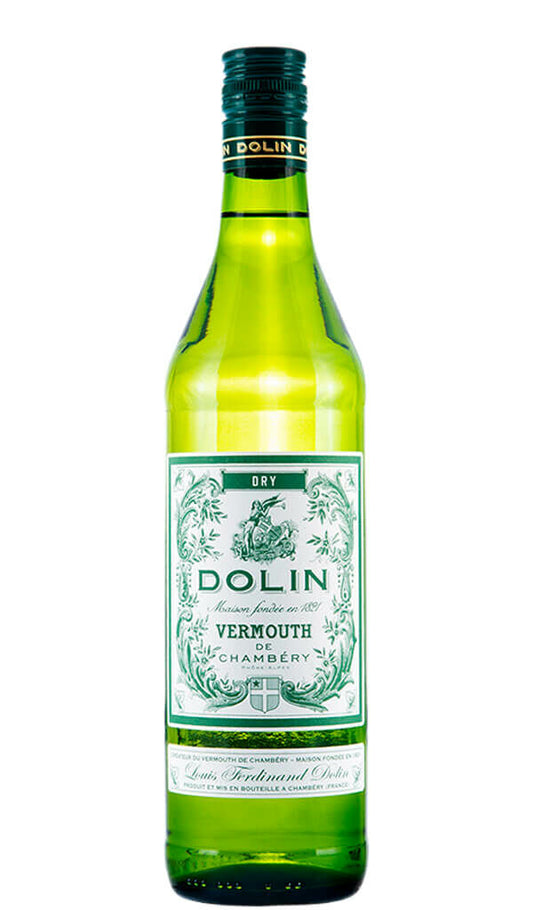
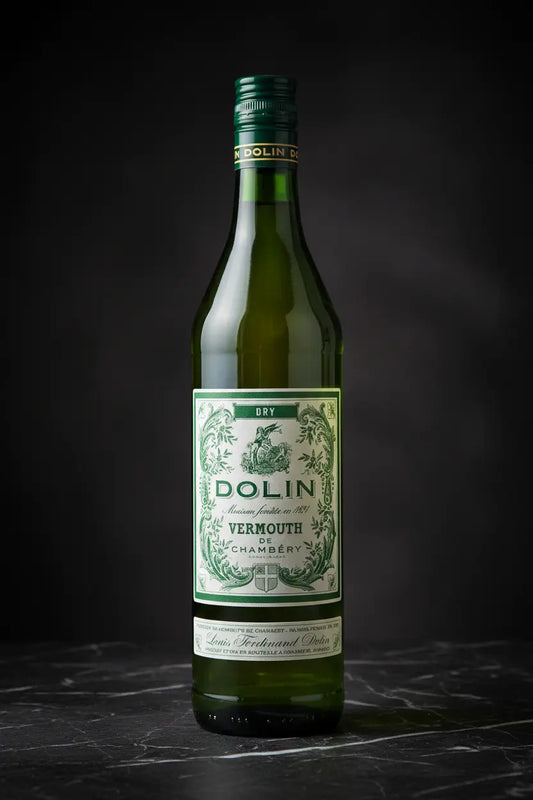
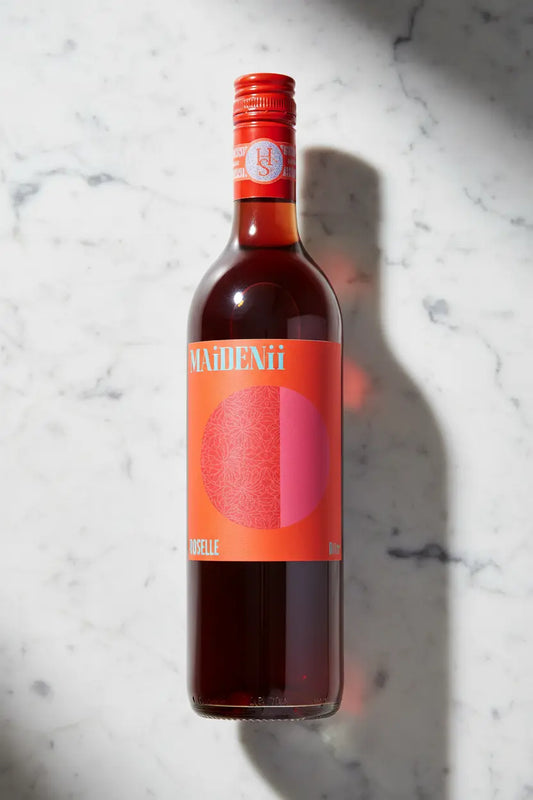
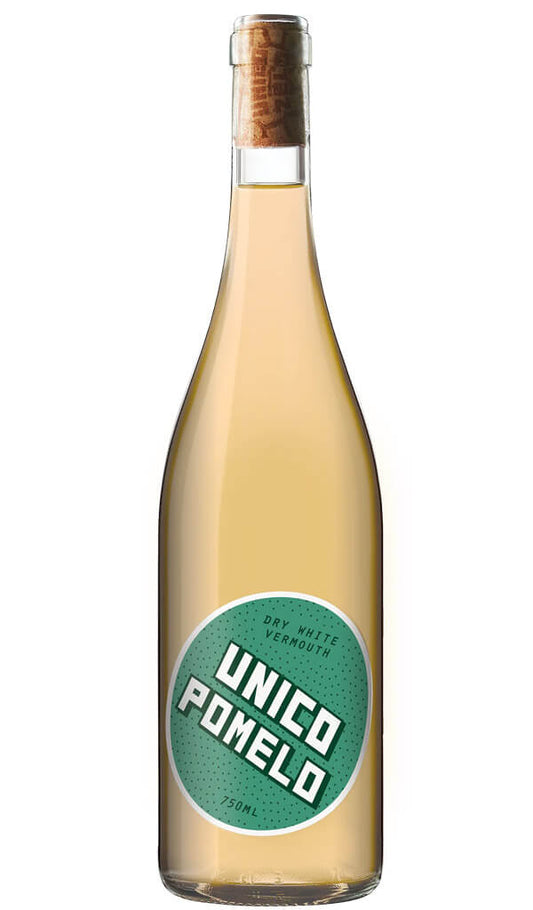
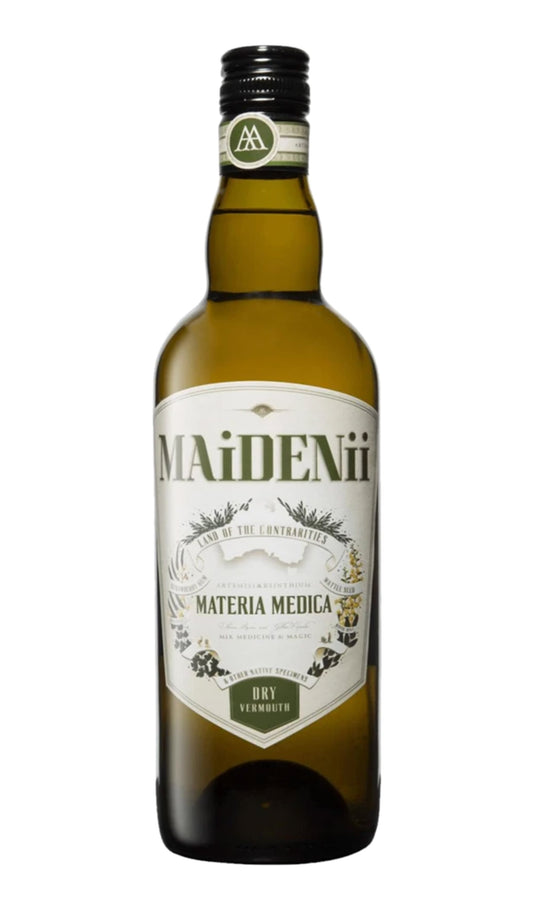
Dry Vermouth (Blanc/White) – Crisp, herbaceous, and delicately aromatic, dry vermouth is essential for martinis and other spirit-forward cocktails. French dry vermouths tend towards floral, alpine herb character, whilst Australian interpretations often incorporate native botanicals for unique citrus and herbal notes.
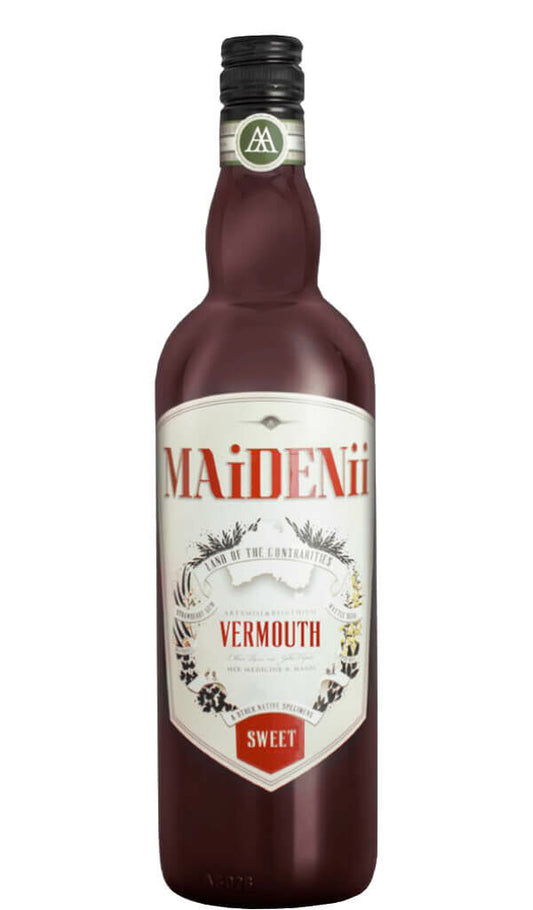
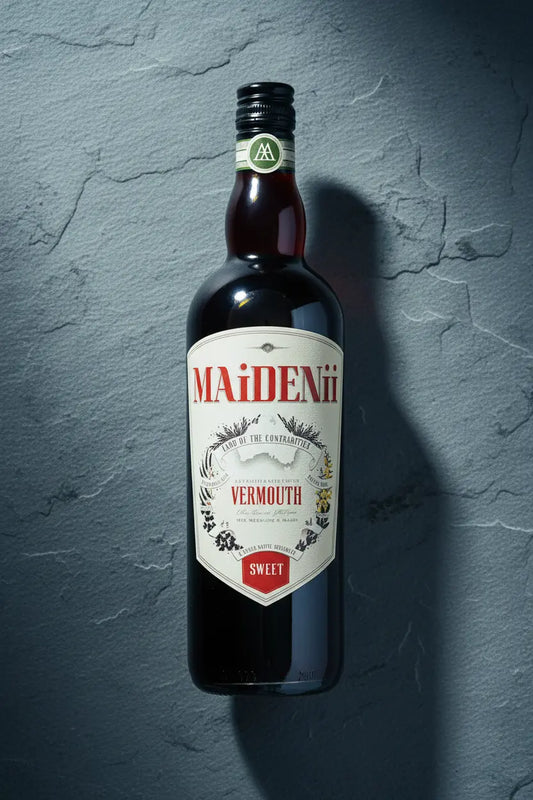
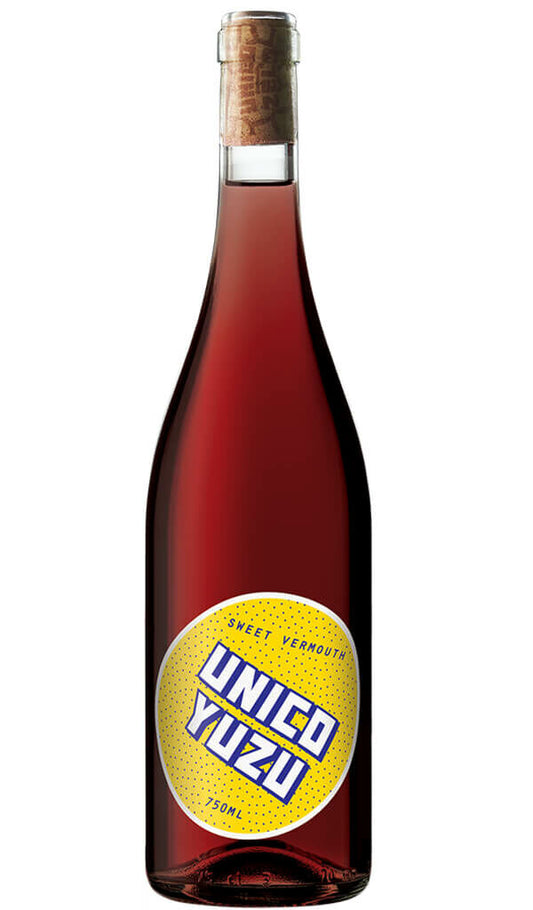
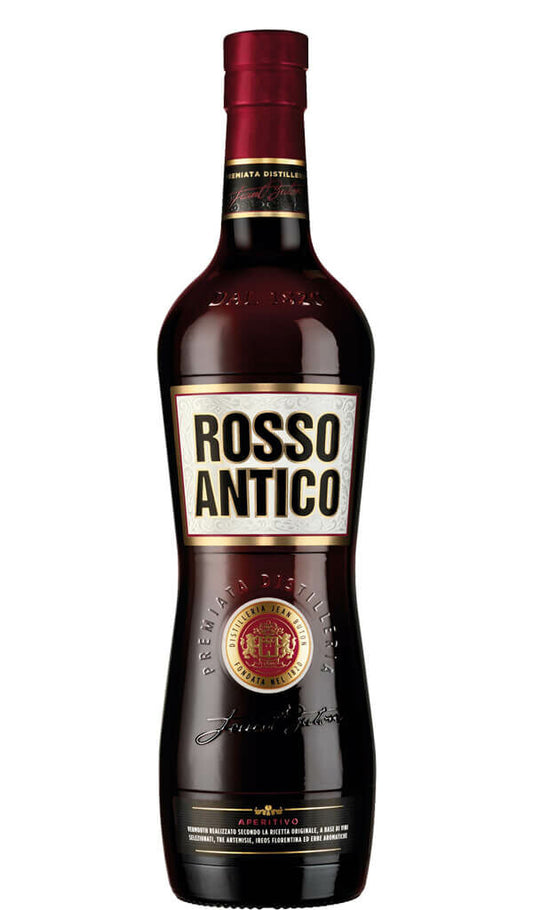
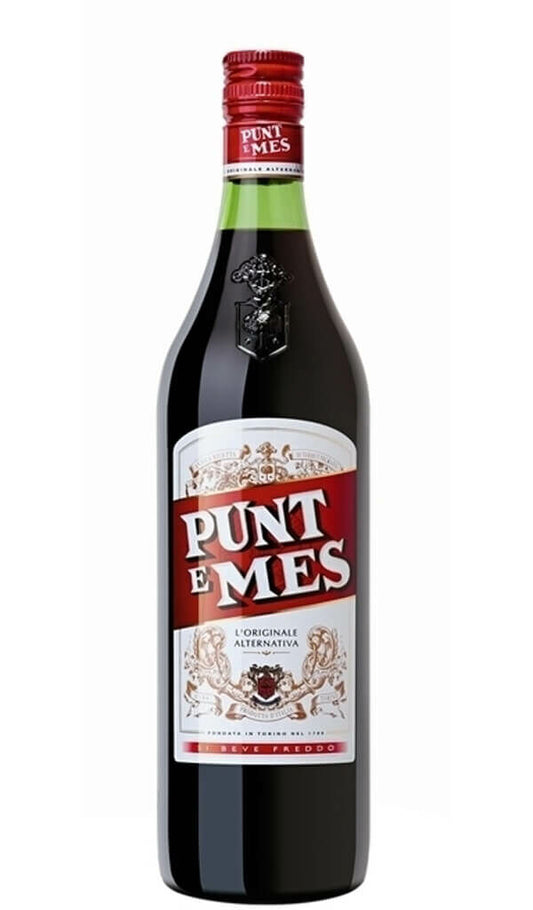
Sweet Vermouth (Rosso/Rouge) – Rich, slightly sweet, and deeply aromatic, sweet vermouth displays notes of vanilla, caramel, dried fruit, and warming spices. Essential for Negronis, Manhattans, and Boulevardiers, these vermouths balance bitterness with subtle sweetness.
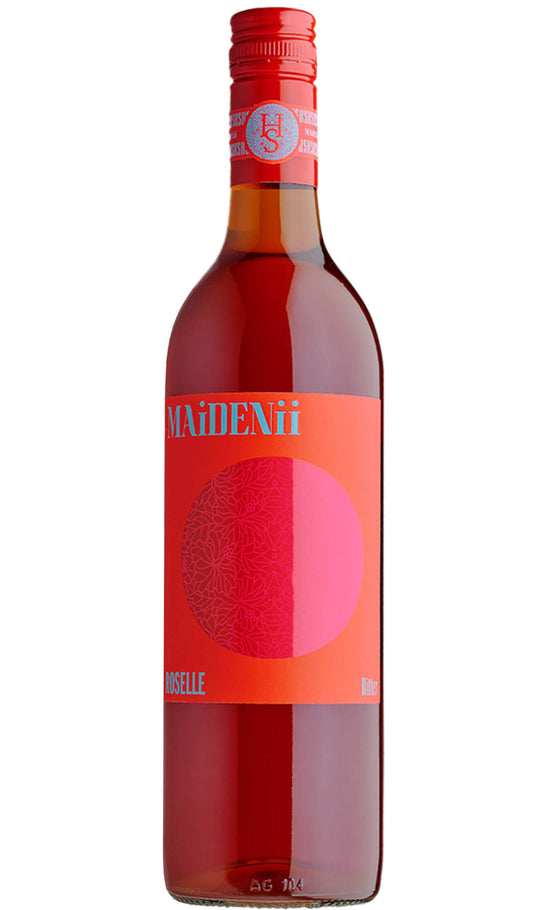
Aperitivo Vermouth – Bittersweet Italian-style vermouths designed for pre-dinner enjoyment, featuring pronounced bitter orange, gentian, and herbal complexity. Perfect served with soda and a slice of orange.
European Vermouth Traditions
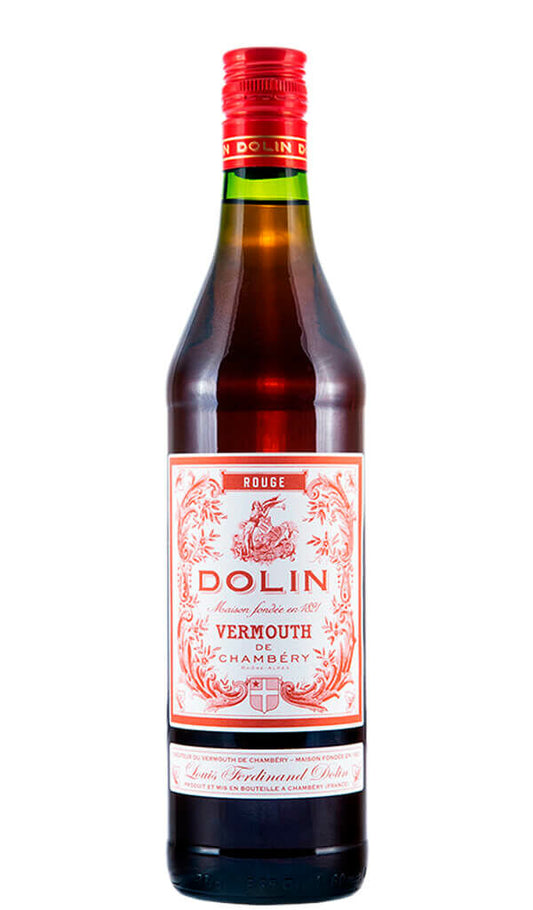
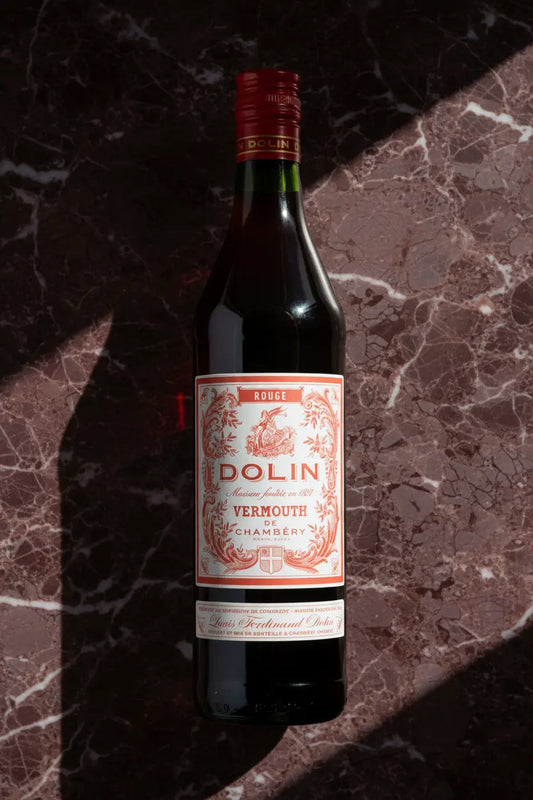
Chambéry, France – Nestled in the French Alps near the Italian border, Chambéry has been producing vermouth since the 18th century. The region's cool Alpine climate and pristine mountain water create ideal conditions for delicate, refined vermouths. Chambéry vermouths carry a protected geographical indication and are renowned for their lighter body, floral aromatics, and subtle use of alpine botanicals including génépi, chamomile, and elderflower.
The base wines are typically light, neutral whites from nearby Savoie vineyards, allowing the carefully balanced botanical infusions to shine. The cooler climate influences both the grape growing and the maceration process, producing vermouths of exceptional elegance and finesse.
Turin, Italy – The birthplace of modern vermouth, Turin's vermouths are characterised by their rich, robust character and complex botanical blends. Italian vermouths often incorporate wormwood (the herb that gives vermouth its name), gentian, rhubarb, and bitter orange, creating the distinctive bittersweet profile that defines the category.
The Piedmont region's continental climate—with hot summers and cold winters—produces structured base wines that can support the intense botanical infusions. Turin's vermouth houses guard centuries-old recipes, with some formulas containing 30 or more botanicals.
Australian Craft Vermouth Movement
Australia's innovative craft distillers and winemakers have embraced vermouth with characteristic creativity, producing world-class expressions that honour European traditions whilst showcasing Australian terroir and native botanicals.
Adelaide Hills, South Australia – This cool-climate wine region has become the epicentre of Australian vermouth production. The Adelaide Hills' elevation (400-600 metres), Mediterranean climate with cool maritime influences, and diurnal temperature variation create ideal conditions for aromatic white wine production—the foundation of exceptional vermouth.
Australian vermouth makers incorporate unique native botanicals including lemon myrtle, finger lime, wattleseed, and native pepperberry, creating distinctively Australian flavour profiles. The use of locally grown wine grapes—often Chardonnay, Sauvignon Blanc, or Riesling—provides a fresh, vibrant base that showcases the botanical infusions beautifully.
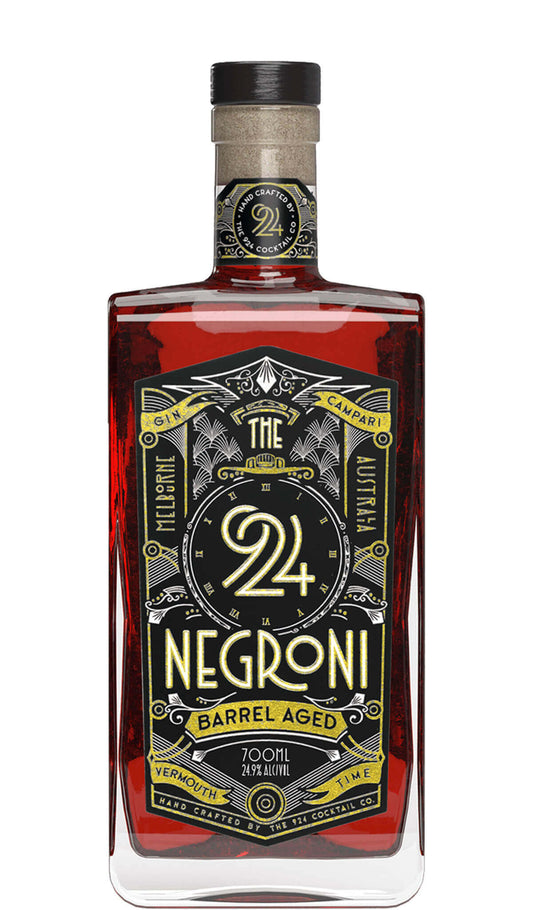
Victoria – Melbourne's thriving cocktail culture has fostered a new generation of vermouth producers who blend traditional techniques with contemporary innovation. Victorian vermouths often feature bold, expressive botanical blends and aren't afraid to push boundaries.
Botanical Complexity
The art of vermouth production lies in the careful selection and balance of botanicals. Common ingredients include:
-
Bittering agents – Wormwood, gentian, cinchona bark, quassia
-
Aromatics – Chamomile, elderflower, rose petals, lavender
-
Citrus – Orange peel, lemon peel, coriander seed
-
Spices – Vanilla, cinnamon, cardamom, clove
-
Herbs – Thyme, rosemary, sage, hyssop
-
Australian natives – Lemon myrtle, finger lime, pepperberry, wattleseed
Each producer's botanical recipe is closely guarded, with some formulas passed down through generations.
Serving & Cocktails
Vermouth is experiencing a renaissance as both a cocktail ingredient and an aperitif in its own right. Serve dry vermouth chilled with a twist of lemon, or sweet vermouth over ice with orange and soda. In cocktails, vermouth is essential for Martinis, Negronis, Manhattans, and countless other classics.
Store opened vermouth in the refrigerator and consume within 4-6 weeks for optimal freshness, as the wine base will oxidise over time.
Explore our vermouth collection and discover these versatile, aromatic fortified wines at great value prices—perfect for cocktail enthusiasts and aperitif lovers alike.