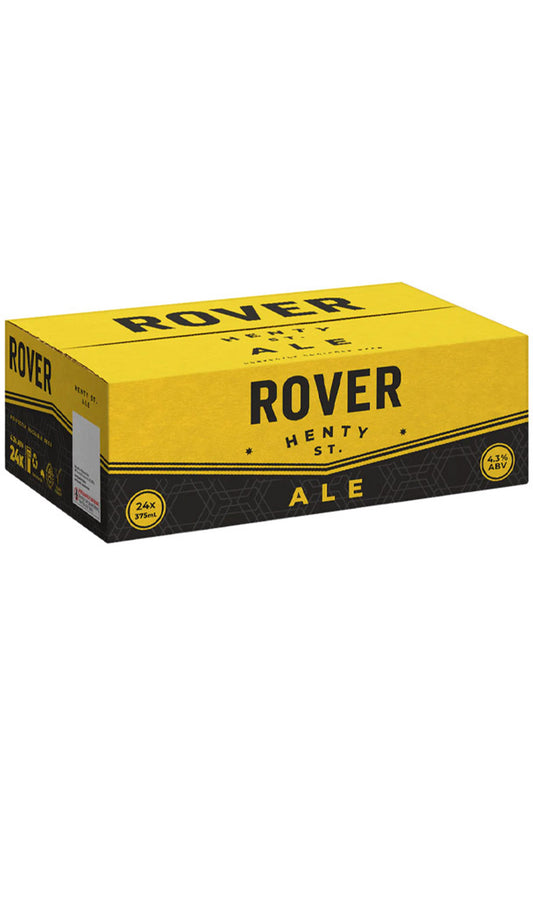
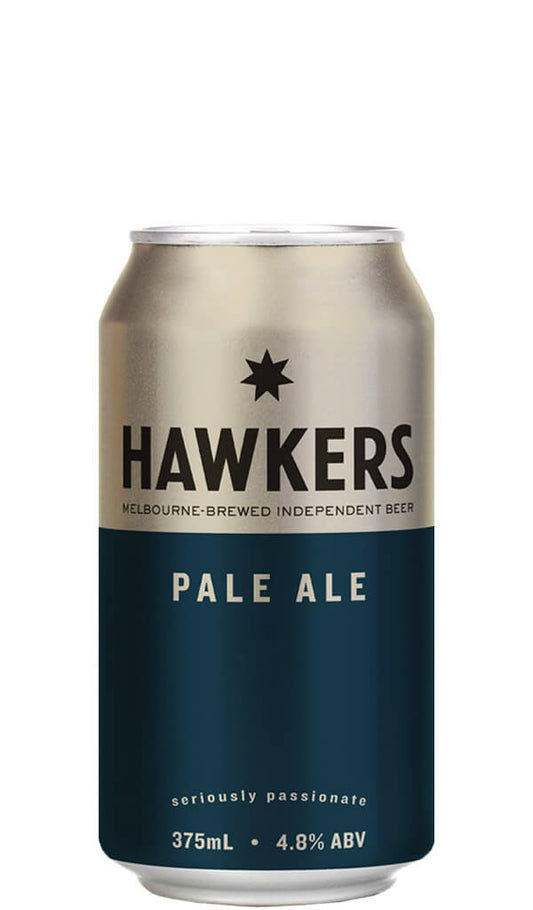
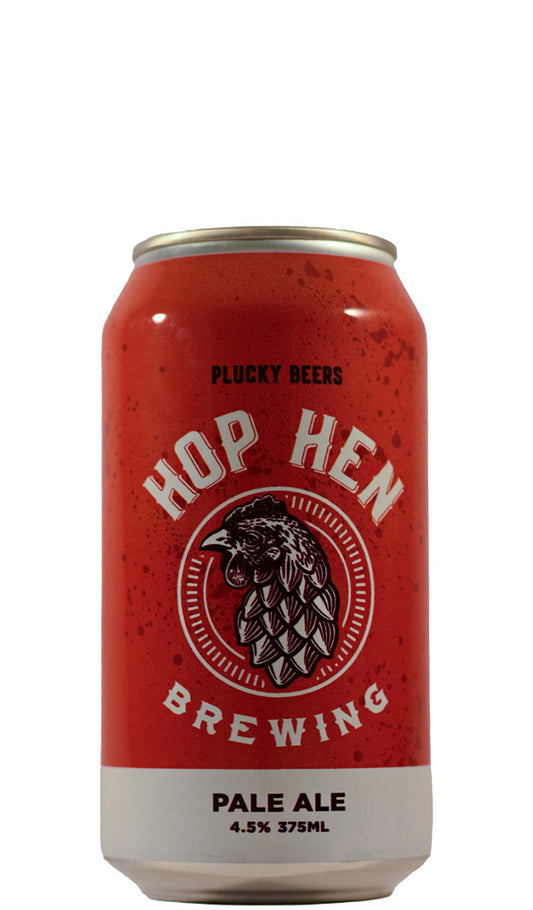
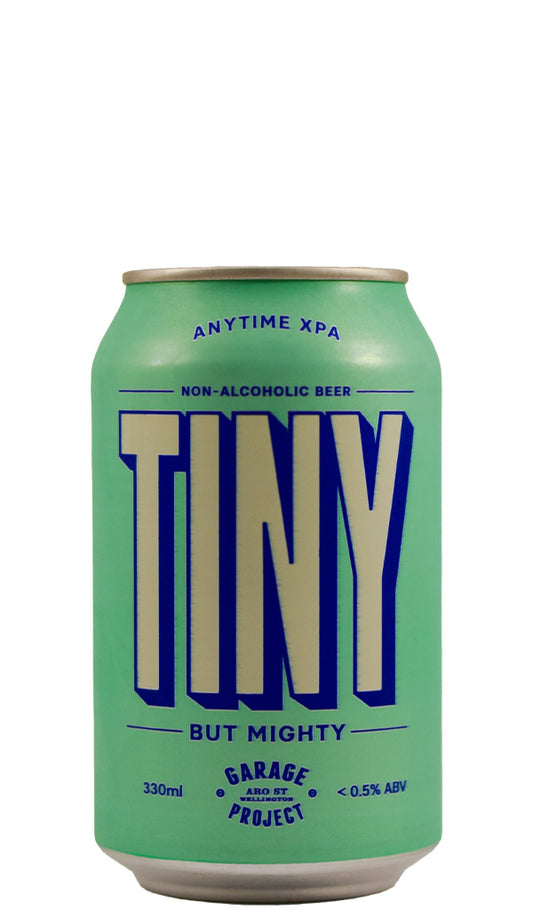
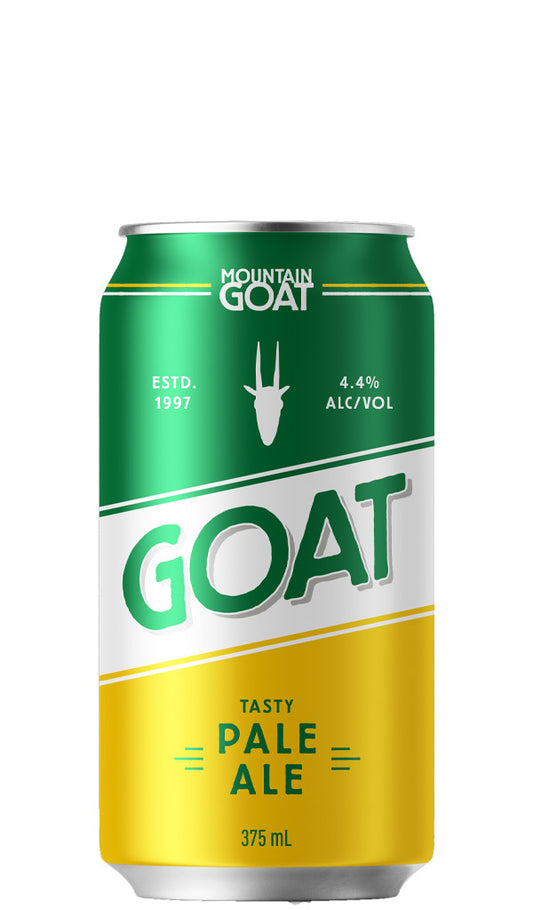
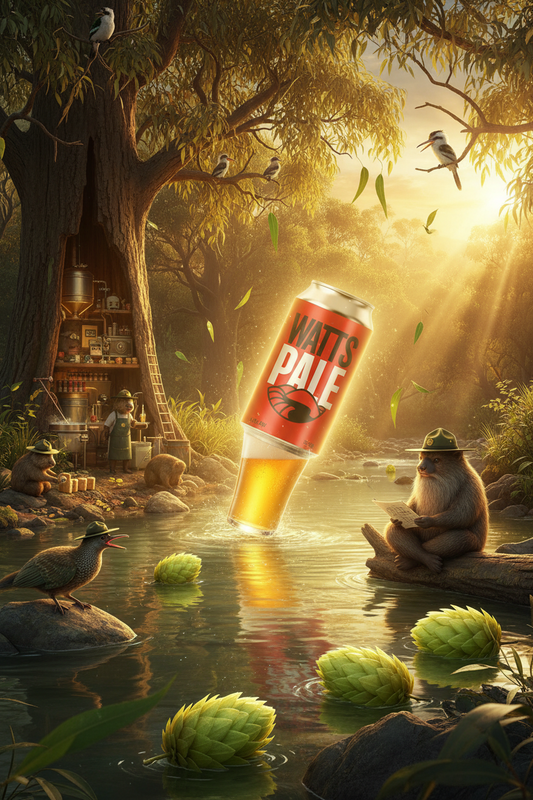
Pale Ale Beer Collection
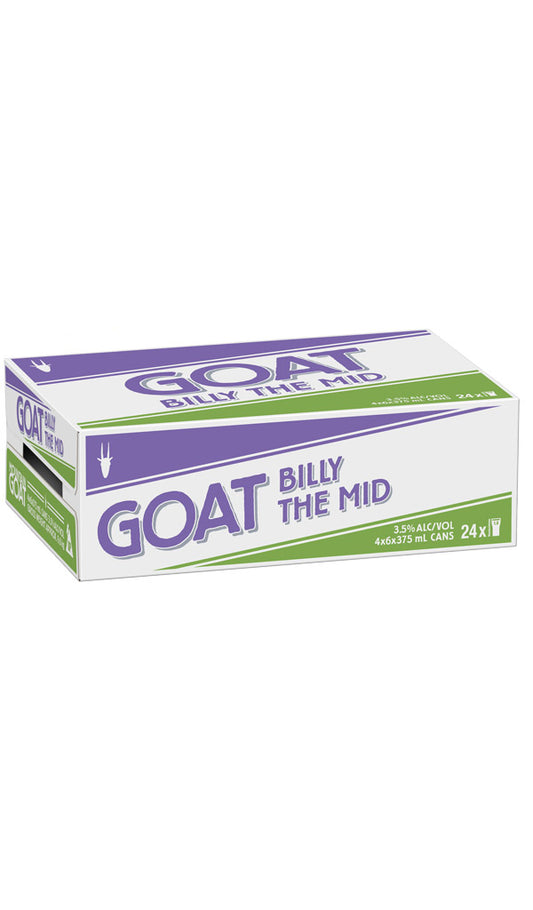
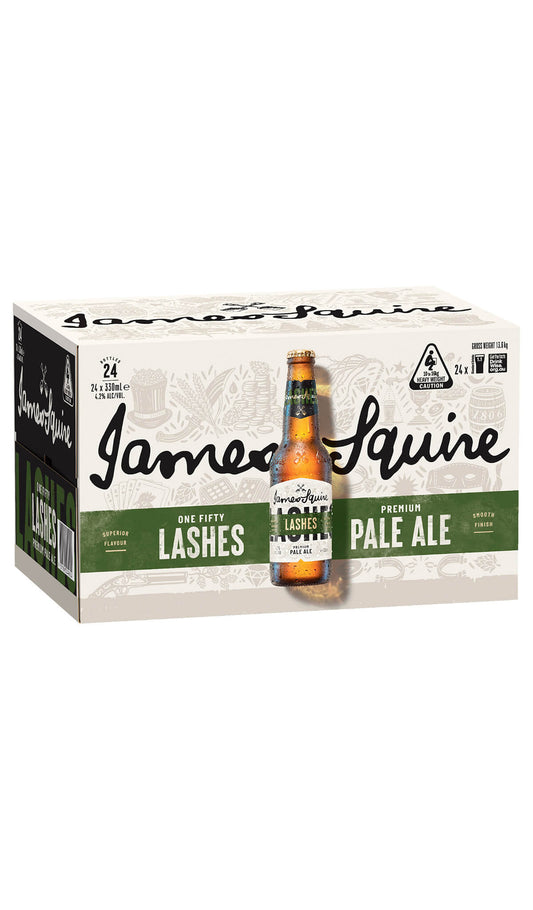
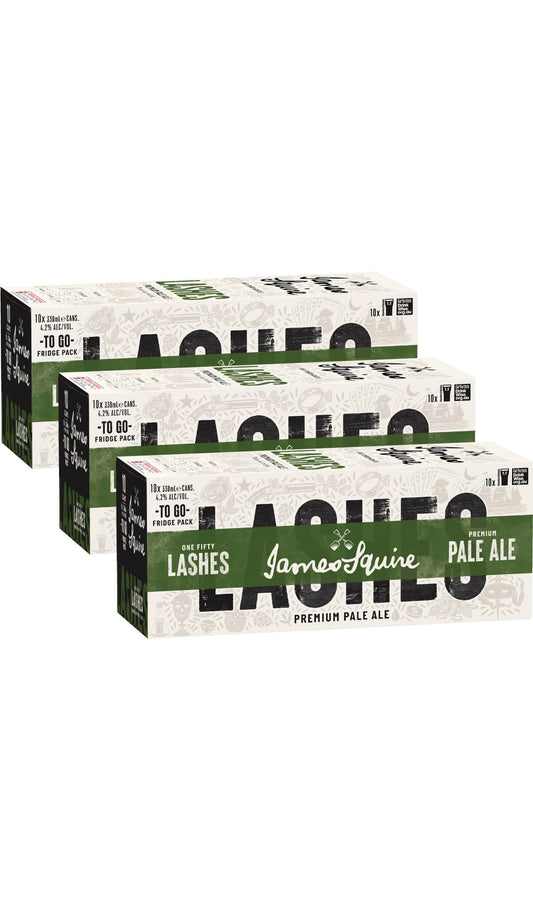
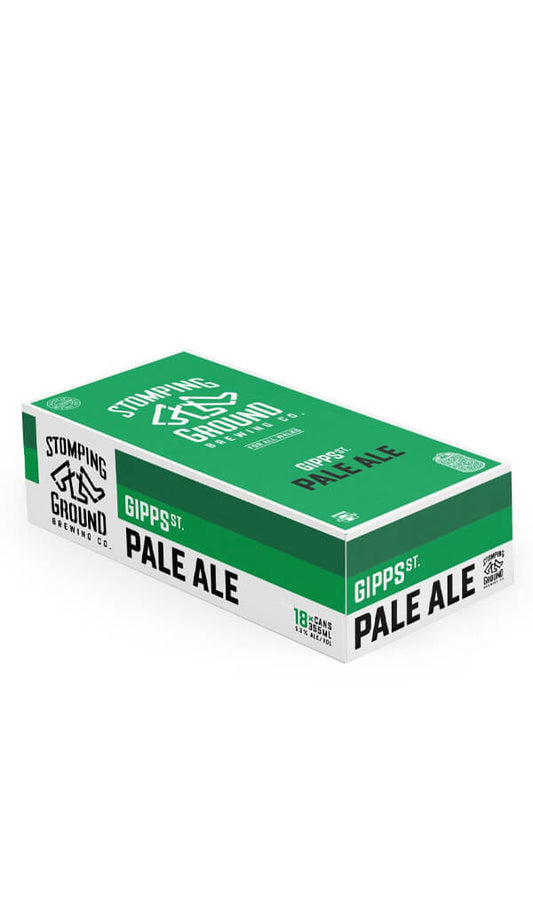
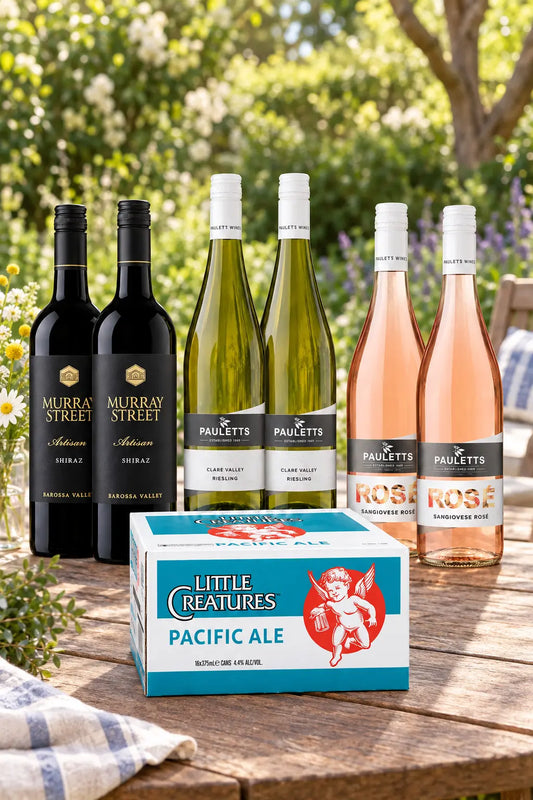
Discover our exceptional range of pale ales, showcasing the best of Australian craft brewing alongside international classics. From hop-forward XPAs and refreshing Pacific ales to juicy hazy pale ales, our collection offers outstanding quality and diverse flavour profiles at great value prices.
The Pale Ale Story
Pale ale represents one of beer's most influential and versatile styles, bridging the gap between easy-drinking lagers and intensely hoppy IPAs. The style originated in 18th-century England, where brewers used pale malts (lighter than traditional brown malts) to create golden to amber beers with pronounced hop character and refreshing bitterness.
Modern pale ales have evolved dramatically, particularly in Australia and the United States, where craft brewers have reimagined the style with bold hop varieties, innovative techniques, and regional character. Today's pale ales range from crisp, sessionable beers to hop-saturated flavour bombs, united by their emphasis on hop aroma and flavour balanced by quality malt.
Australian Pale Ale Regions
Victoria – Melbourne and regional Victoria have become Australia's craft beer capital, home to pioneering breweries that defined modern Australian pale ale. The state's temperate climate, quality water sources, and thriving hospitality scene created ideal conditions for craft brewing innovation.
Victoria's Yarra Valley, Mornington Peninsula, and Melbourne's inner suburbs host numerous breweries crafting distinctive pale ales. The region's cool to moderate climate (averaging 14-20°C) and access to premium Australian and imported hops enable brewers to create balanced, flavourful pale ales with pronounced hop character.
Victorian brewers pioneered the Australian pale ale style—characterised by generous dry-hopping with Australian hops (Galaxy, Vic Secret, Ella), creating tropical fruit and passionfruit aromatics alongside traditional citrus and pine notes. The state's brewing culture emphasises innovation, quality ingredients, and bold flavour.
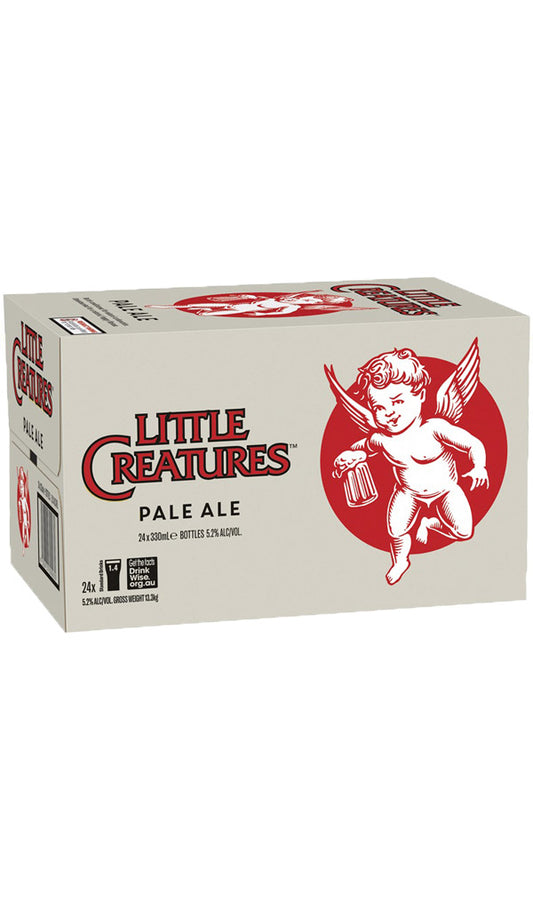
Western Australia – Fremantle and Perth established Australia's craft beer movement in the 1980s, with Little Creatures Pale Ale becoming one of the country's most iconic craft beers. Western Australia's isolation encouraged brewing self-sufficiency and innovation, creating a distinctive regional style.
The state's Mediterranean climate—hot, dry summers and mild winters—influenced the development of refreshing, highly drinkable pale ales designed for warm-weather enjoyment. Western Australian pale ales often emphasise balance and sessionability over extreme hop character, creating beers perfect for the state's outdoor lifestyle.
Queensland – The Gold Coast and Brisbane's subtropical climate (averaging 20-28°C) shaped a brewing culture focused on refreshing, tropical-influenced beers. Queensland breweries developed the Pacific Ale style—a uniquely Australian interpretation featuring Galaxy hops, light malt character, and exceptional drinkability.
The state's year-round warm weather and beach culture created demand for pale ales that refresh and satisfy without overwhelming the palate. Queensland pale ales often showcase tropical fruit character, moderate bitterness, and crisp finish, making them ideal for outdoor activities and social occasions.
New South Wales – Sydney and regional NSW host diverse brewing scenes producing everything from traditional English-style pale ales to contemporary hazy interpretations. The state's varied climate—from coastal to alpine regions—allows for diverse brewing approaches and styles.
Pale Ale Styles
Australian Pale Ale – A distinctly Australian style characterised by generous use of local hop varieties, particularly Galaxy, which imparts passionfruit, peach, and tropical fruit aromatics. Australian pale ales typically range from 4.5-5.5% ABV with moderate bitterness (30-45 IBU) and pale gold to amber colour.
The style balances hop-forward character with clean malt backbone, creating refreshing, flavourful beers that showcase Australia's unique hop terroir. Expect aromas of tropical fruit, citrus, and stone fruit, with a crisp, dry finish that encourages another sip.
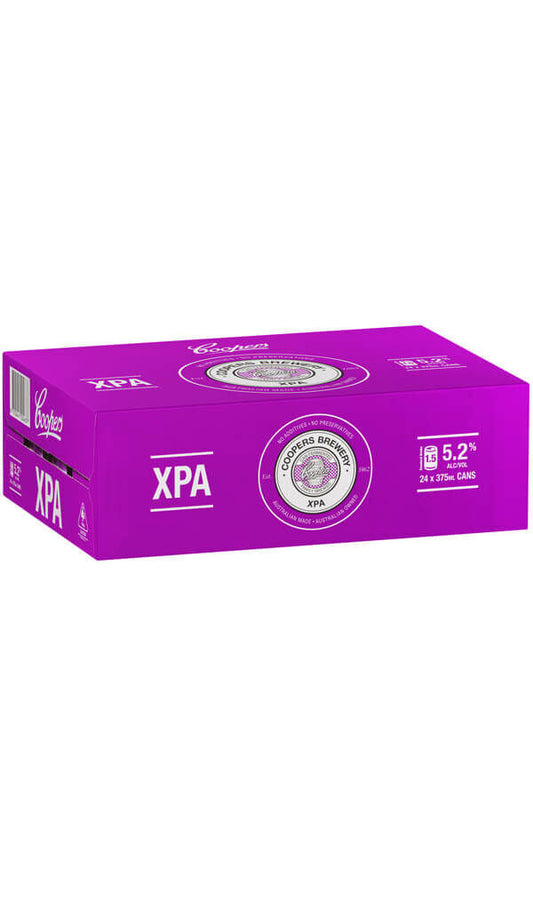
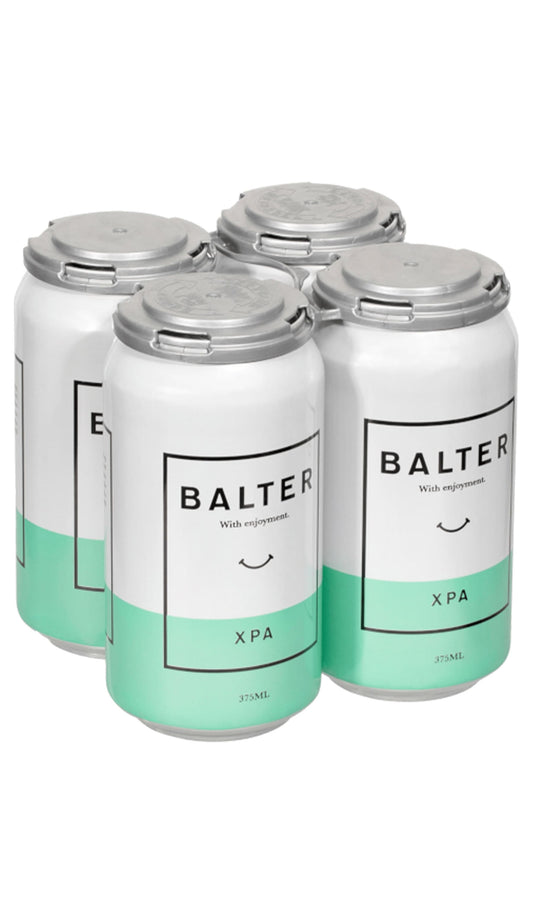
XPA (Extra Pale Ale) – A modern Australian innovation, XPA sits between pale ale and IPA in strength and hop intensity. These beers feature pale, almost golden colour, substantial hop aroma and flavour, and moderate alcohol (typically 5-6% ABV). XPAs showcase contemporary hop varieties through generous dry-hopping, creating intense aromatics without excessive bitterness.
The style emphasises drinkability and hop expression, often featuring lower bitterness than traditional IPAs whilst maintaining bold hop character. XPAs have become hugely popular in Australia, offering craft beer flavour in an approachable, sessionable package.
Pacific Ale – Pioneered by Australian breweries, Pacific Ale is a light, refreshing style featuring Galaxy hops, pale malt, and often wheat for added body and haze. The style displays pale golden colour, tropical fruit aromatics (passionfruit, mango, lychee), and exceptionally clean, crisp finish.
Pacific Ales typically range from 4.5-5.5% ABV with low to moderate bitterness, emphasising hop aroma over bitterness. The style is designed for warm-weather refreshment, making it perfect for beach days, barbecues, and outdoor activities.
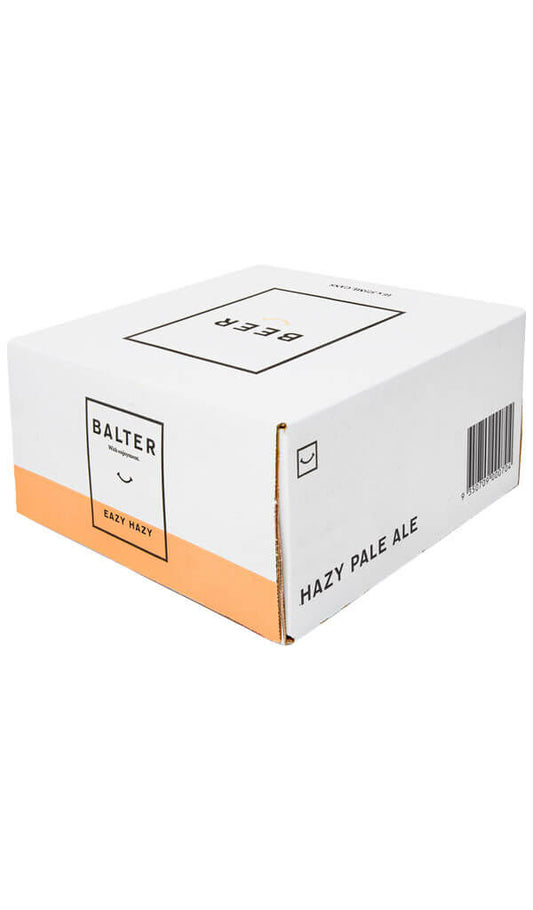
Hazy Pale Ale – Inspired by New England IPA techniques, hazy pale ales feature cloudy appearance from suspended yeast and proteins, soft mouthfeel from wheat and oats, and juicy, fruit-forward hop character. These beers emphasise late-addition and dry-hopping techniques that maximise hop aroma whilst minimising bitterness.
Hazy pale ales display intense tropical fruit, citrus, and stone fruit aromatics with smooth, almost creamy texture. The style has gained enormous popularity for its approachable, juice-like character and bold flavour despite moderate alcohol content.
American Pale Ale (APA) – The style that launched the craft beer revolution, American pale ales feature bold American hop varieties (Cascade, Centennial, Chinook) providing citrus, pine, and floral character. APAs balance substantial hop bitterness (30-50 IBU) with clean malt backbone, creating refreshing yet flavourful beers.
Hop Varieties & Character
Modern pale ales showcase diverse hop varieties:
-
Galaxy (Australia) – Passionfruit, peach, citrus; the defining hop of Australian pale ale
-
Vic Secret (Australia) – Pineapple, passionfruit, pine; bold tropical character
-
Ella (Australia) – Floral, spice, star anise; elegant aromatics
-
Cascade (USA) – Grapefruit, floral; classic American pale ale hop
-
Citra (USA) – Mango, lime, tropical fruit; intense citrus character
-
Mosaic (USA) – Blueberry, tangerine, tropical fruit; complex, layered aromatics
-
Simcoe (USA) – Pine, citrus, earthy; bold, resinous character
The art of pale ale brewing lies in selecting and combining hop varieties to create distinctive, memorable flavour profiles.
Brewing Techniques
Modern pale ale production employs sophisticated techniques:
-
Dry-hopping – Post-fermentation hop additions maximising aroma without bitterness
-
Late-addition hopping – Adding hops near the end of the boil for flavour and aroma
-
Biotransformation – Hopping during active fermentation for unique fruit character
-
Double dry-hopping (DDH) – Multiple dry-hop additions for intense aromatics
-
Water chemistry – Adjusting mineral content to enhance hop character or create soft mouthfeel
-
Adjunct grains – Wheat, oats, and other grains adding body and haze
Climate & Ingredients
Australia's climate influences pale ale production:
-
Warm weather – Creates demand for refreshing, sessionable pale ales
-
Quality water – Soft to moderate mineral content ideal for hop-forward beers
-
Local hops – Australian hop farms in Victoria and Tasmania producing world-class varieties
-
Premium malt – Australian and imported malts providing clean, neutral base for hop expression
The combination of climate, ingredients, and brewing innovation has established Australia as a global pale ale powerhouse.
Serving & Pairing
Serve pale ales cold (4-7°C) in clean glassware to showcase hop aromatics and maintain carbonation. Pale ales pair excellently with diverse foods—burgers, pizza, spicy cuisine, grilled chicken, fish tacos, and aged cheddar. The hop bitterness cuts through rich, fatty foods whilst the malt backbone complements grilled and roasted flavours.
Pale ales are best enjoyed fresh to appreciate peak hop aroma and flavour. Most pale ales should be consumed within 3-6 months of packaging, though some stronger examples age gracefully.
Alcohol-Free Options
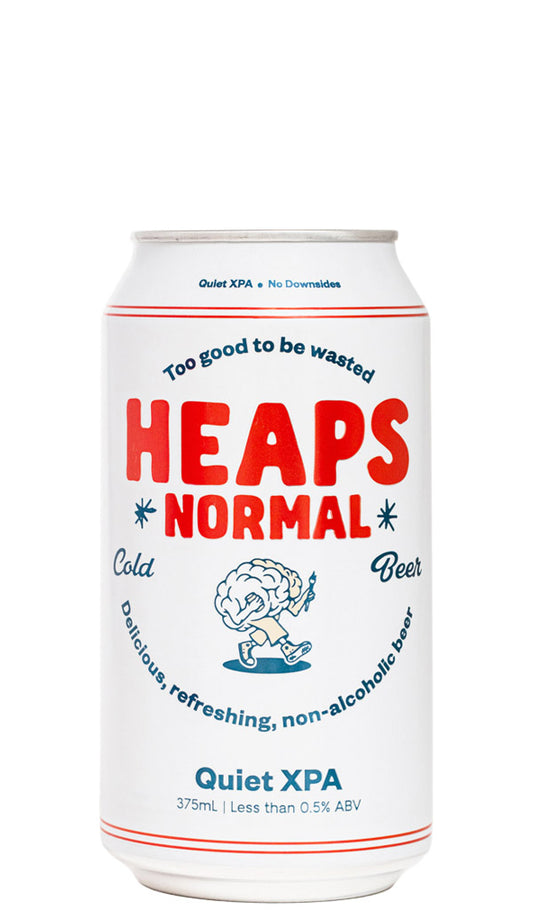
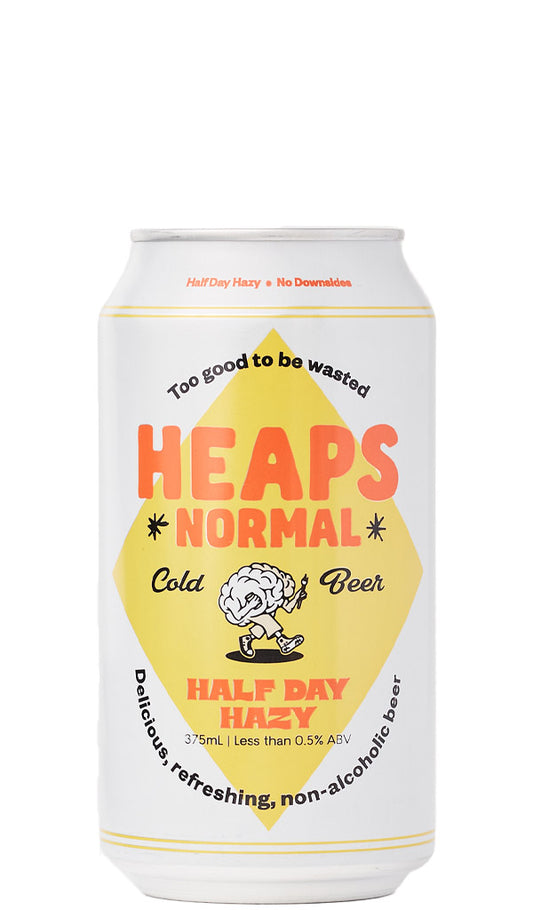
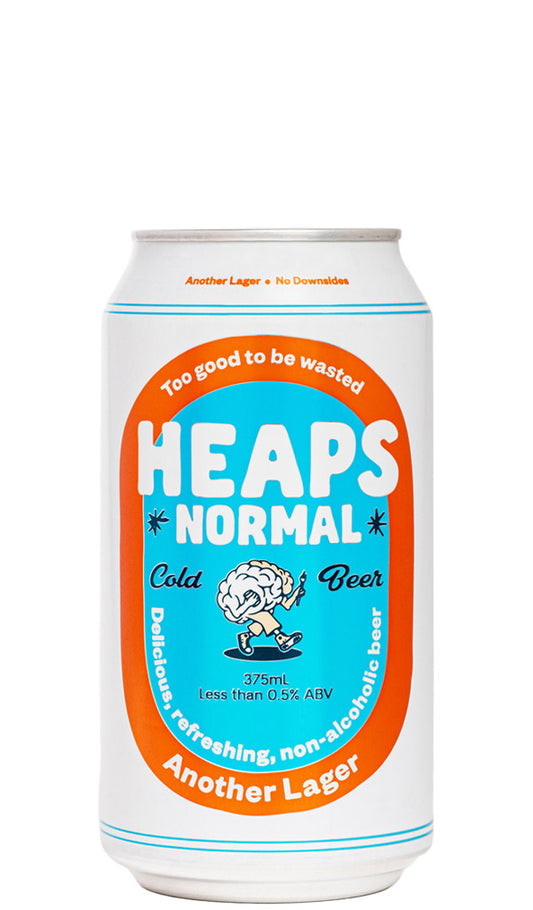
Our collection includes exceptional alcohol-free pale ales that maintain the hop character and flavour of traditional pale ales whilst containing less than 0.5% ABV. Modern brewing techniques allow alcohol-free beers to rival their full-strength counterparts in quality and satisfaction.
Explore our pale ale collection and discover the diversity and innovation of this beloved beer style at great value prices.