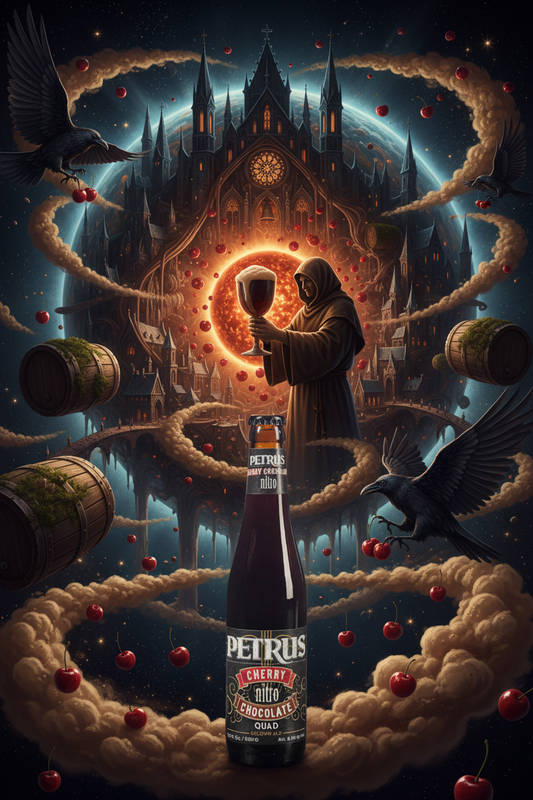
Farmhouse Ales Collection
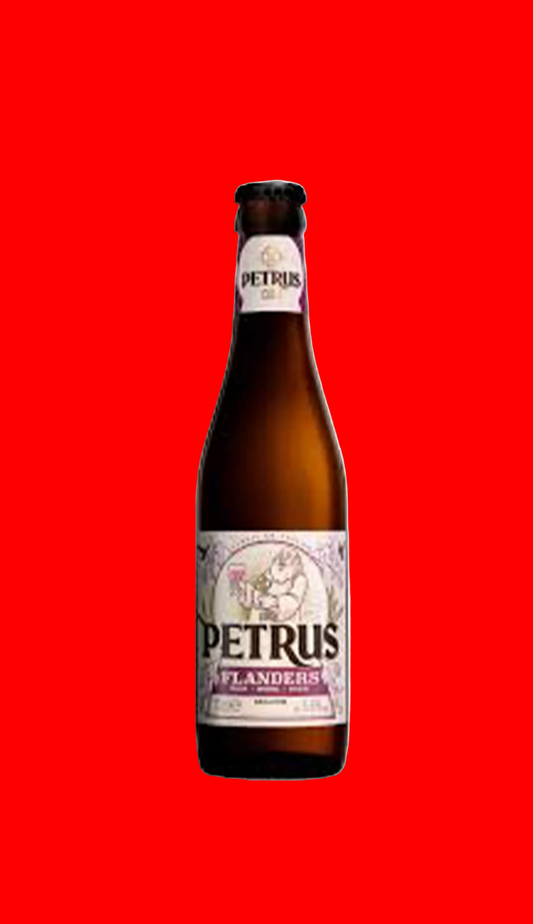
Discover the rustic charm and complex character of farmhouse ales, a diverse family of artisanal beers rooted in European agricultural traditions. Our collection showcases authentic Belgian lambics, refreshing saisons, and innovative sour ales from world-renowned breweries, offering exceptional quality at great value prices.
The Farmhouse Ale Tradition
Farmhouse ales originated in the rural brewing traditions of Belgium and northern France, where farmers and agricultural workers brewed beer for seasonal consumption. These beers were typically brewed during cooler months, stored, and consumed during the warm harvest season, providing refreshment for farm labourers.
What unites farmhouse ales is their rustic, artisanal character—often featuring wild yeast fermentation, complex flavour profiles, and refreshing drinkability. Modern farmhouse ales honour these traditions whilst embracing innovation, creating beers of remarkable diversity and sophistication.
Belgian Brewing Regions
Pajottenland (Lambic Region) – Located southwest of Brussels in the Senne Valley, the Pajottenland is the historic heartland of spontaneously fermented lambic beer. This small region, encompassing villages like Lembeek, Beersel, and Anderlecht, possesses unique atmospheric conditions that make authentic lambic production possible.
The region's microclimate and indigenous wild yeast strains (particularly Brettanomyces bruxellensis and Brettanomyces lambicus) create the distinctive character of lambic beer. These wild yeasts, present in the air and brewery environments, spontaneously inoculate the cooling wort, initiating a complex, multi-year fermentation process unlike any other beer style.
Traditional lambic breweries use coolships—large, shallow copper vessels where hot wort is exposed to cool night air, allowing wild yeasts and bacteria to settle and begin fermentation. The beer then matures in oak barrels for one to three years, developing extraordinary complexity through slow, spontaneous fermentation.
The Pajottenland's cool, maritime-influenced climate provides ideal conditions for this patient brewing process. Mild temperatures, moderate humidity, and the region's unique microbial terroir create lambics of unparalleled depth and character.
Wallonia (Saison Region) – The French-speaking region of southern Belgium, particularly Hainaut province, is the traditional home of saison brewing. These "seasonal" beers were originally brewed on farms during winter and spring for consumption during summer harvest.
Wallonia's agricultural landscape and brewing heritage created the saison style—refreshing, highly carbonated, and often spiced beers designed to quench thirst whilst providing sustenance. The region's continental climate, with warm summers and cool winters, influenced the seasonal brewing cycle and the beer's characteristic dry, refreshing profile.
Farmhouse Ale Styles
Lambic & Gueuze – Lambic is spontaneously fermented beer unique to the Pajottenland region. Young lambic (one year old) is tart and funky, whilst aged lambic (two to three years) develops complex, wine-like character with notes of barnyard, hay, and subtle fruit.
Gueuze is a blend of young and aged lambics, re-fermented in the bottle to create a sparkling, champagne-like beer of extraordinary complexity. Expect flavours of tart apple, citrus, oak, and earthy funk, with bone-dry finish and lively carbonation. Authentic gueuze carries the "Oude Gueuze" designation, indicating traditional production methods.
Kriek – Traditional fruit lambic made by macerating whole sour cherries in aged lambic. The cherries undergo secondary fermentation, contributing tart fruit character, subtle almond notes from the stones, and beautiful ruby colour. Authentic kriek (marked "100% Lambic" or "Oude Kriek") contains no added sugars or artificial flavourings, showcasing pure fruit and lambic character.
Saison – Originally brewed as refreshing summer beer for farm workers, saison is characterised by high carbonation, dry finish, and complex yeast character. The style ranges from pale gold to amber, with alcohol typically 5-7% ABV (though historical "provision saisons" reached higher strengths).
Saisons display fruity, spicy, and peppery notes from distinctive saison yeast strains, often complemented by subtle hop bitterness and occasional spice additions (black pepper, coriander, orange peel). The beer's high attenuation creates a dry, crisp finish despite complex flavour, making it exceptionally refreshing and food-friendly.
Bière de Garde – The French farmhouse ale tradition, originating in Nord-Pas-de-Calais near the Belgian border. These "keeping beers" were traditionally brewed in spring, stored in cool cellars, and consumed throughout summer. Bière de Garde tends to be maltier and less phenolic than saison, with rich malt character, subtle fruit esters, and smooth, rounded profile.
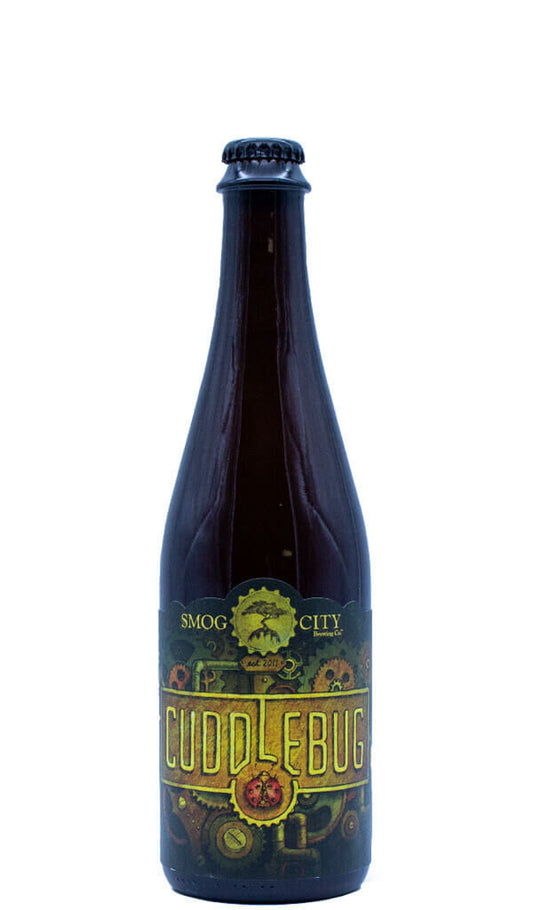
Modern Sour Ales – Contemporary brewers worldwide have embraced farmhouse ale traditions, creating innovative sour and wild ales. These beers employ traditional techniques—barrel ageing, wild yeast fermentation, fruit additions—whilst exploring new flavour combinations and brewing methods.
Fermentation & Maturation
Farmhouse ales showcase diverse fermentation approaches:
-
Spontaneous Fermentation – Lambic's defining characteristic, relying entirely on wild yeasts and bacteria from the environment
-
Mixed Fermentation – Combining cultured brewing yeast with wild Brettanomyces and lactic acid bacteria for controlled complexity
-
Saison Yeast – Distinctive farmhouse yeast strains producing peppery, fruity, and phenolic character
-
Barrel Ageing – Oak barrel maturation adding complexity, subtle oxidation, and microbial character
-
Fruit Additions – Whole fruit maceration creating natural fruit character and additional fermentation complexity
The extended maturation periods—often 6 months to 3 years—allow complex flavours to develop and integrate, creating beers of remarkable depth and sophistication.
Climate Influences
Belgium's temperate maritime climate profoundly influences farmhouse ale production:
-
Cool temperatures – Enable slow, controlled fermentation and safe spontaneous inoculation
-
Seasonal variation – Traditional brewing cycles aligned with agricultural seasons
-
Moderate humidity – Ideal for barrel ageing without excessive evaporation
-
Unique microbial terroir – Regional wild yeast and bacteria populations creating distinctive local character
The Pajottenland's specific atmospheric conditions—cool, moist air from the Senne Valley—create the perfect environment for lambic's wild yeast populations to thrive.
Renowned Producers
Cantillon – Brussels' last remaining traditional lambic brewery within city limits, producing uncompromising, authentic lambics and fruit beers using methods unchanged for generations. Their organic production and commitment to tradition make them icons of artisanal brewing.
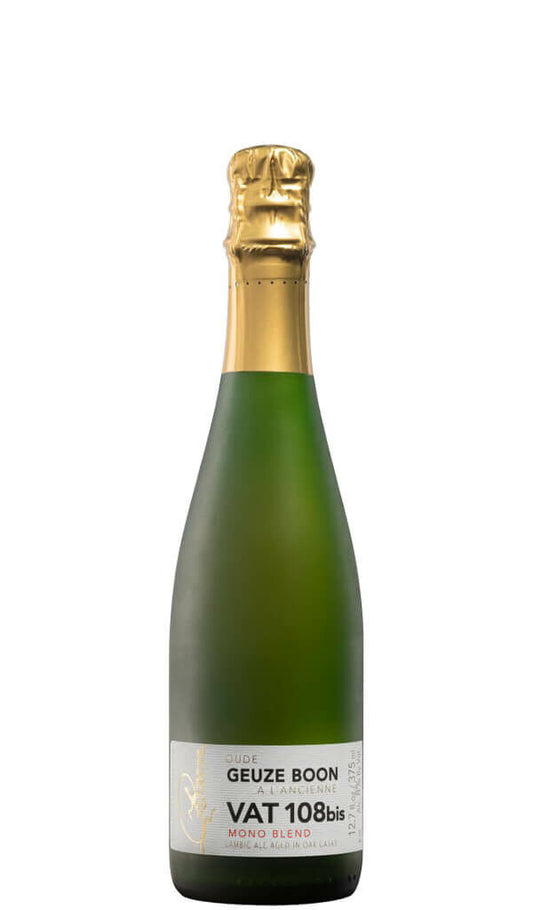
Brouwerij Boon – Family-owned Pajottenland brewery crafting exceptional gueuze and kriek. Their Oude Geuze is considered a benchmark for the style, displaying perfect balance and complexity.
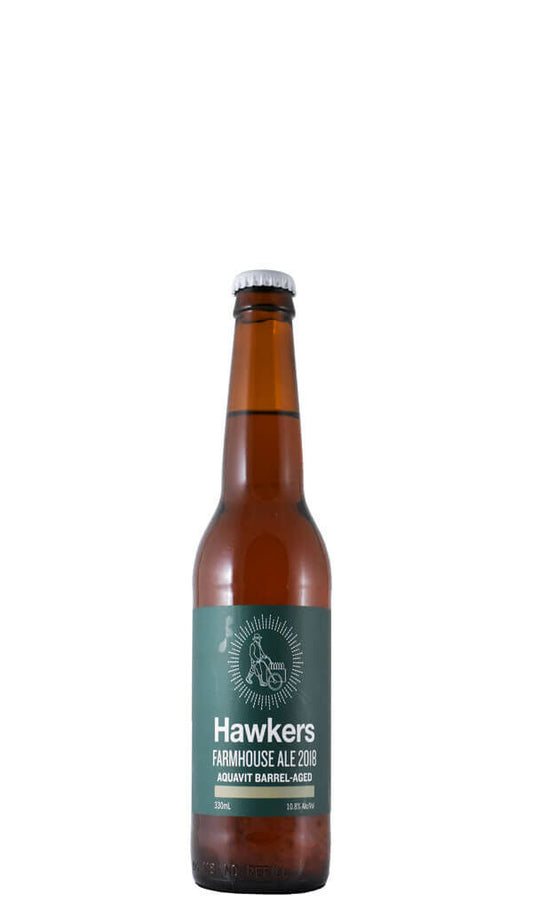
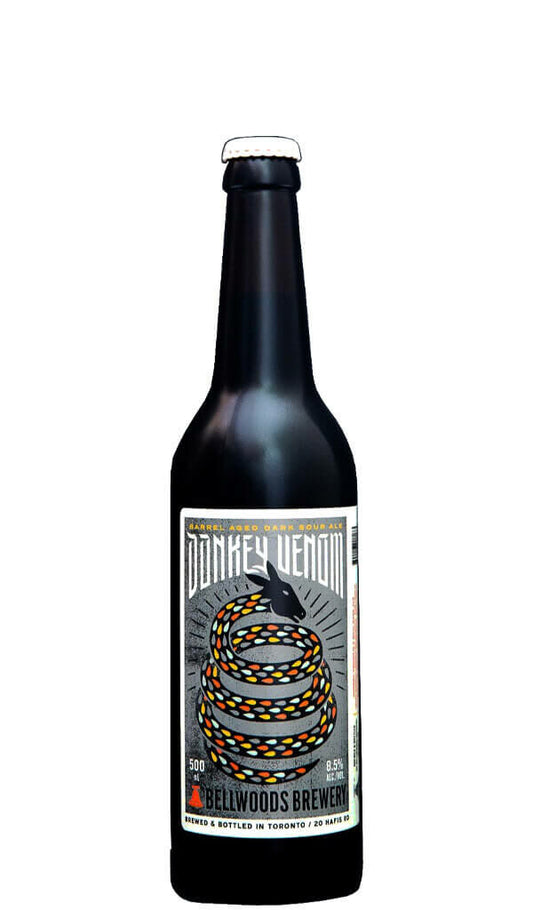
Contemporary Innovators – Modern breweries like Hawkers (Australia), Bellwoods (Canada), and Hargreaves Hill (Australia) apply farmhouse ale techniques to create innovative sour and wild ales, demonstrating the style's global influence.
Tasting Profile
Farmhouse ales display extraordinary diversity. Lambics and gueuze offer tart, funky, wine-like complexity with notes of citrus, oak, and barnyard. Kriek adds cherry tartness and subtle almond. Saisons provide peppery, fruity refreshment with dry, crisp finish. Modern sours range from gently tart to intensely acidic, often with fruit-forward character.
Serving & Pairing
Serve farmhouse ales at cellar temperature (8-12°C) in tulip or wine glasses to appreciate their complex aromatics. Lambics and gueuze pair beautifully with mussels, seafood, soft cheeses, and fruit desserts. Saisons complement charcuterie, roasted chicken, spicy cuisine, and goat cheese. The high carbonation and acidity make farmhouse ales excellent palate cleansers.
Many farmhouse ales, particularly gueuze and aged lambics, improve with cellaring. Store bottles upright in cool, dark conditions and enjoy the evolution of flavours over months or years.
Explore our farmhouse ales collection and discover these artisanal, tradition-rich beers at great value prices.