German White Wine Collection
Discover the exceptional white wines of Germany, home to some of the world's most elegant and expressive Rieslings, aromatic Gewürztraminers, and refined Pinot Gris. Our collection showcases premium wines from Germany's finest regions, offering outstanding quality and great value prices.
Germany's White Wine Heritage
Germany's winemaking tradition spans over 2,000 years, with white wine production reaching extraordinary heights of quality and refinement. The country's cool climate, diverse soils, and meticulous viticulture create ideal conditions for producing white wines of remarkable purity, elegance, and longevity. German white wines are celebrated worldwide for their brilliant balance of fruit, acidity, and mineral complexity.
Premier German Wine Regions
Pfalz (Palatinate) – Located in southwestern Germany along the eastern slopes of the Haardt Mountains, the Pfalz is Germany's second-largest wine region and one of its warmest and driest. The region stretches approximately 80 kilometres along the Deutsche Weinstraße (German Wine Route), creating a diverse viticultural landscape.
The Pfalz enjoys a remarkably mild climate, protected by the Haardt Mountains to the west and the Vosges Mountains across the Rhine in France. This sheltered position creates a rain shadow effect, resulting in one of Germany's sunniest and driest growing regions with annual rainfall around 500-600mm. The warm, Mediterranean-influenced climate allows grapes to achieve full ripeness whilst retaining the vibrant acidity essential for balanced, age-worthy wines.
The region's soils are extraordinarily diverse—ranging from weathered sandstone and limestone in the north to volcanic basalt, loess, and clay in the south. This geological complexity allows different varieties to find their ideal terroir. The Mittelhaardt district, centred around villages like Forst, Deidesheim, and Ruppertsberg, is particularly renowned for producing world-class Riesling from ancient weathered sandstone soils.
The Pfalz's warmer climate produces Rieslings with riper fruit character—stone fruits, citrus, and tropical notes—compared to the more austere northern regions, whilst maintaining the variety's signature minerality and precision. The region also excels with Pinot varieties (Pinot Gris, Pinot Blanc, Pinot Noir) and aromatic Gewürztraminer.
Mosel – The Mosel Valley, carved by the winding Mosel River through steep slate hillsides, is Germany's most iconic wine region and the spiritual home of Riesling. The region's dramatic landscape features some of the world's steepest vineyards, with slopes reaching 60-70 degrees, requiring heroic viticulture and hand-harvesting.
The Mosel's cool continental climate is moderated by the river, which reflects sunlight onto the vineyards and stores heat, creating a unique mesoclimate. The region's northern latitude (similar to Champagne) and cool temperatures result in an extended growing season, allowing grapes to develop complex aromatics and flavours whilst retaining racy acidity and low alcohol levels.
The famous blue and grey Devonian slate soils are the defining feature of Mosel terroir. These dark, heat-absorbing soils warm quickly during the day and radiate heat at night, helping grapes ripen in this marginal climate. The slate also imparts distinctive mineral character—a flinty, smoky quality that defines classic Mosel Riesling.
Mosel Rieslings are renowned for their ethereal elegance, laser-like precision, and extraordinary ageing potential. The wines display delicate citrus, green apple, and white peach fruit, pronounced mineral character, and vibrant acidity that creates perfect balance even in sweeter styles.
German White Wine Varieties
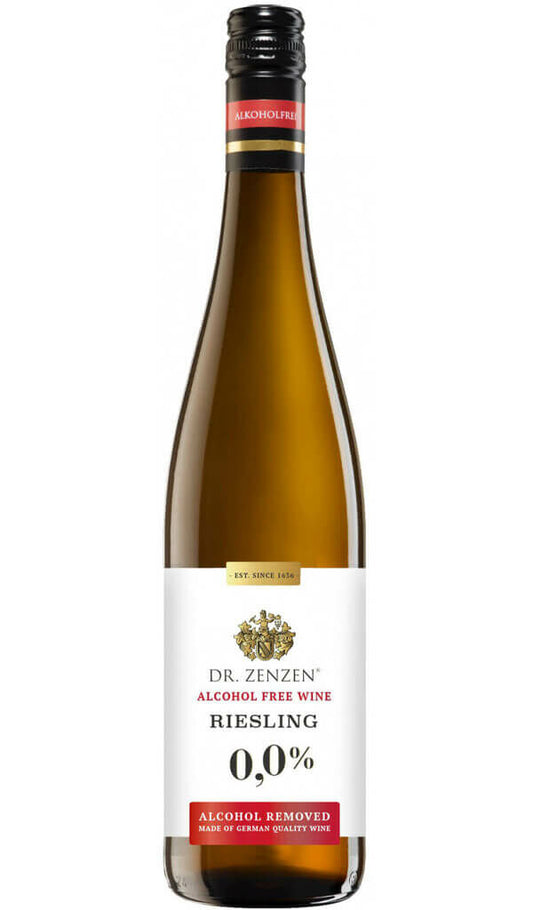
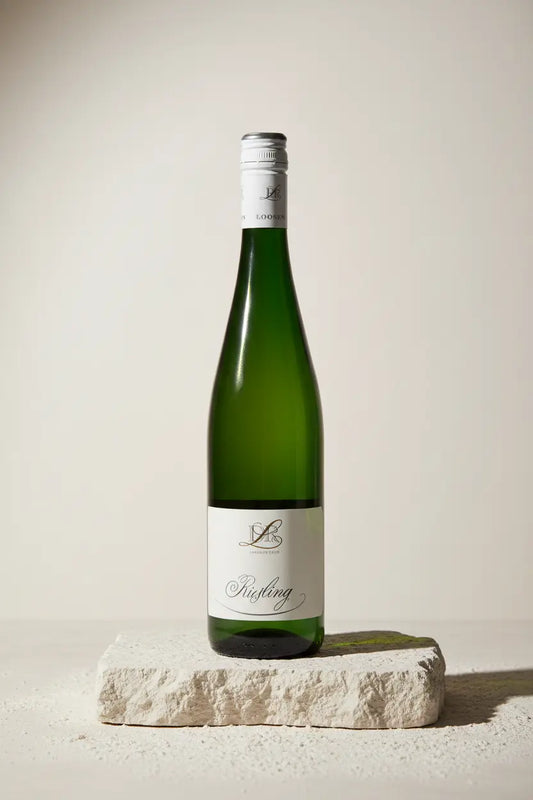
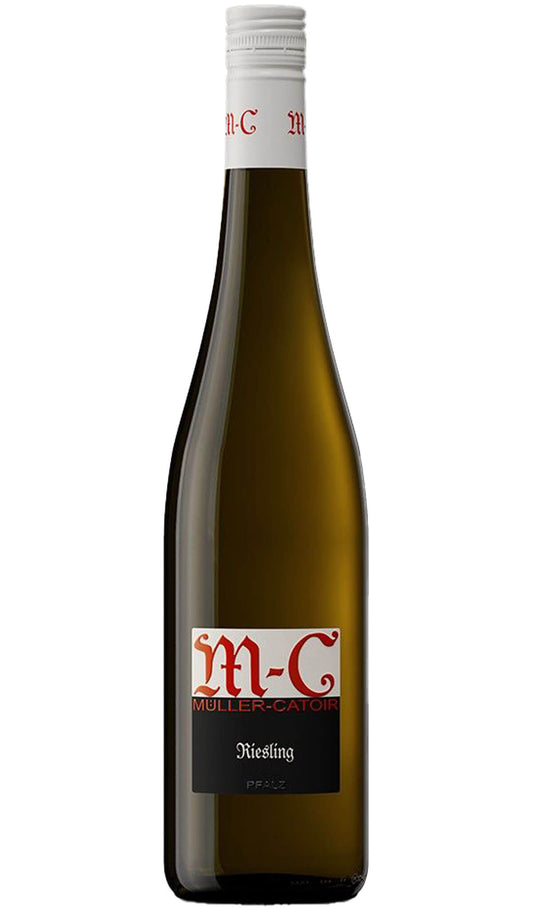
Riesling – Germany's noble grape and one of the world's finest white varieties, Riesling produces wines of extraordinary versatility, ranging from bone-dry (trocken) to lusciously sweet. German Riesling is celebrated for its purity of fruit, brilliant acidity, and remarkable ability to express terroir.
The variety displays aromas of citrus (lime, lemon), stone fruits (peach, apricot), green apple, and distinctive mineral notes. With age, Riesling develops complex petrol, honey, and toast characteristics whilst maintaining freshness. The grape's naturally high acidity provides structure for both dry and sweet styles, creating wines that can age gracefully for decades.
German Riesling ranges from crisp, mineral-driven dry wines (trocken) perfect for food pairing, to off-dry styles (feinherb, halbtrocken) with subtle sweetness, to noble sweet wines (Auslese, Beerenauslese, Trockenbeerenauslese) of extraordinary concentration and complexity.
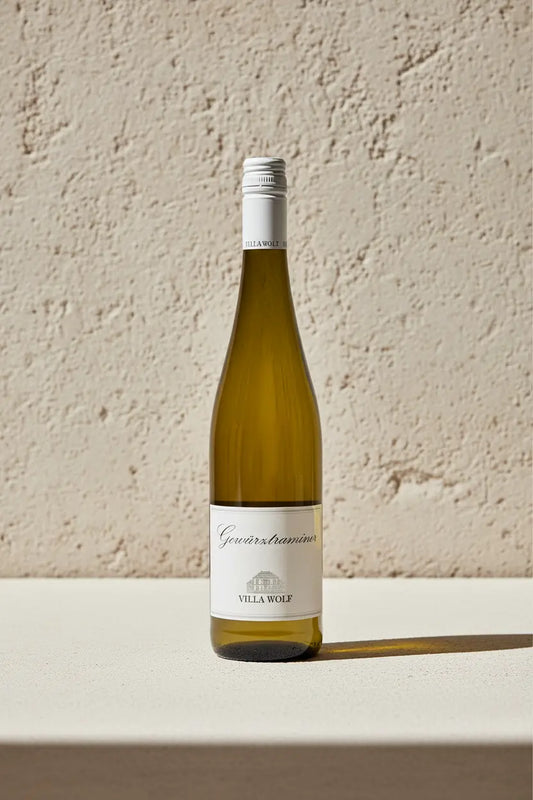
Gewürztraminer – This intensely aromatic variety produces some of Germany's most distinctive and exotic white wines. The name translates to "spiced Traminer," reflecting the wine's characteristic spice notes. Gewürztraminer displays heady aromatics of lychee, rose petals, Turkish delight, ginger, and exotic spices.
The variety's naturally low acidity and full body create rich, textured wines with moderate alcohol. German Gewürztraminer ranges from dry to off-dry, with the slight residual sugar balancing the variety's natural richness and spice. The wines pair beautifully with Asian cuisine, particularly Thai and Indian dishes, as well as strong cheeses and pâtés.
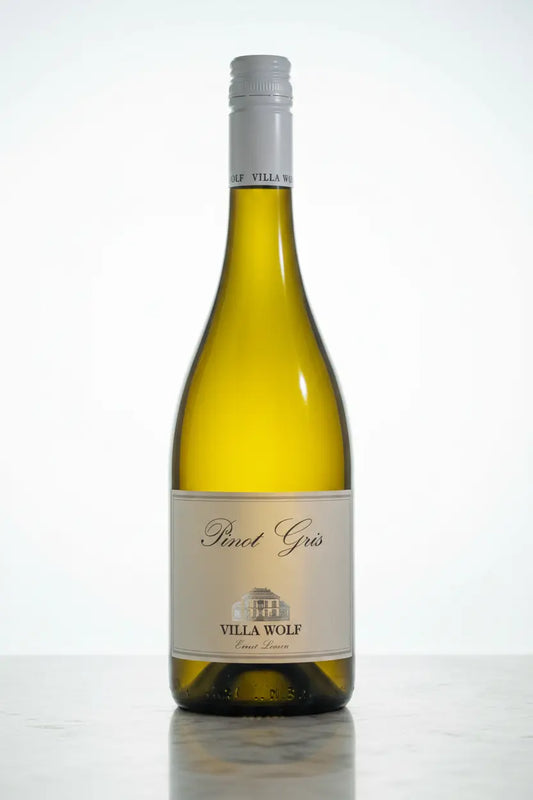
Pinot Gris (Grauburgunder) – Known as Grauburgunder in Germany, Pinot Gris produces elegant, medium-bodied white wines with subtle fruit character and refined structure. German Pinot Gris displays aromas of pear, apple, stone fruit, and subtle spice, with a richer texture than Riesling but less aromatic intensity than Gewürztraminer.
The variety thrives in the Pfalz's warmer sites, producing wines with excellent concentration and complexity. Modern German Pinot Gris is typically vinified dry, creating sophisticated food wines with mineral character and refreshing acidity.
Climate & Viticulture
Germany's cool continental climate is characterised by:
-
Long, cool growing season – Extended ripening period allows gradual flavour development and aromatic complexity
-
Significant diurnal temperature variation – Warm days promote ripening whilst cool nights preserve natural acidity and aromatics
-
Moderate rainfall – Adequate moisture with well-drained soils preventing excessive vigour
-
River influences – The Rhine, Mosel, and their tributaries moderate temperatures and reflect sunlight onto vineyards
-
Steep slopes – Maximise sun exposure in marginal climates, particularly important in the Mosel
-
Diverse soil types – Slate, sandstone, limestone, volcanic basalt, and loess each contribute unique mineral characteristics
This combination of cool climate, extended growing season, and diverse terroirs allows German white wines to achieve remarkable balance—ripe fruit flavours with vibrant acidity and low alcohol levels, creating wines of elegance and precision.
German Wine Classification
German wines are classified by ripeness levels (Prädikatswein system), indicating the grape's sugar content at harvest. For dry wines, look for "trocken" on the label. The classification includes Kabinett (lightest), Spätlese (late harvest), Auslese (select harvest), and sweeter categories for dessert wines.
Winemaking Philosophy
German winemakers prioritise minimal intervention, allowing terroir and variety to express themselves. Fermentation typically occurs in stainless steel or traditional large oak casks (Fuder or Stück) that impart no oak flavour. The focus is on purity, precision, and balance, creating wines that are transparent expressions of site and vintage.
Food Pairing & Serving
German white wines are exceptionally food-friendly. Dry Riesling pairs beautifully with seafood, pork, poultry, and Asian cuisine. Gewürztraminer complements spicy dishes, strong cheeses, and pâtés. Pinot Gris matches well with roasted chicken, creamy pasta, and mild curries.
Serve German white wines chilled (8-10°C for young wines, 10-12°C for aged Rieslings) to showcase their aromatic complexity and refreshing acidity.
Explore our German white wine collection and discover these elegant, terroir-driven wines at great value prices.