Shiraz Viognier Wine Collection
Discover the elegant complexity of Shiraz Viognier, Australia's distinctive interpretation of the classic Rhône Valley blend. Our collection showcases exceptional co-fermented wines from McLaren Vale, Canberra, and Yarra Valley, offering remarkable quality at great value prices.
The Shiraz Viognier Tradition
Shiraz Viognier represents one of Australian wine's most successful innovations, inspired by the legendary wines of Côte-Rôtie in France's northern Rhône Valley. The practice of co-fermenting Shiraz with a small percentage of Viognier (typically 2-8%) creates wines of extraordinary aromatic complexity, enhanced colour stability, and silky texture that elevates Shiraz beyond what the variety achieves alone.
The technique involves fermenting the white Viognier grapes alongside red Shiraz, allowing the aromatic compounds from Viognier to bind with Shiraz's colour and tannin molecules. This creates wines with lifted floral aromatics, improved colour intensity, and softer, more integrated tannins whilst maintaining Shiraz's characteristic power and structure.
Australian Shiraz Viognier Regions
McLaren Vale, South Australia – One of Australia's premier regions for Shiraz Viognier, McLaren Vale's Mediterranean climate and diverse soils create ideal conditions for both varieties. Located 35 kilometres south of Adelaide, the region benefits from warm, dry summers moderated by cooling afternoon sea breezes from the Gulf St Vincent.
McLaren Vale's climate features hot days (averaging 28-30°C in summer) with significant diurnal temperature variation as cool maritime air flows inland each afternoon. This temperature swing allows Shiraz to develop concentrated fruit flavours and ripe tannins whilst retaining natural acidity. Viognier thrives in the warm conditions, developing the aromatic intensity and phenolic ripeness essential for successful co-fermentation.
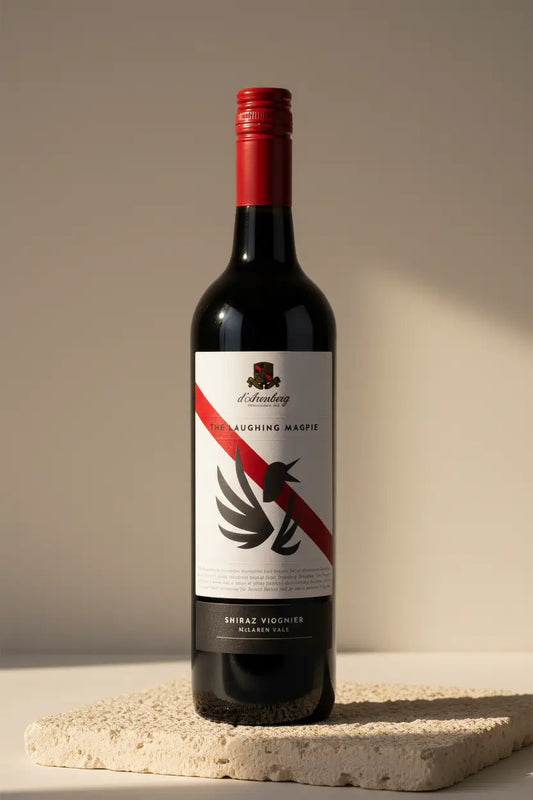
The region's ancient soils—a complex mosaic of red-brown loams over limestone, ironstone, and sand—provide excellent drainage and contribute distinctive mineral complexity. McLaren Vale Shiraz Viognier displays rich blackberry and plum fruit, violet and apricot aromatics from Viognier, and velvety tannins. d'Arenberg's The Laughing Magpie exemplifies the region's ability to produce world-class examples of this blend.
Canberra District, New South Wales – Australia's coolest Shiraz region, Canberra has become synonymous with elegant, perfumed Shiraz Viognier. Located at elevations of 500-800 metres, the region's continental climate features warm days and very cool nights, creating dramatic diurnal temperature shifts of 15-20°C.
Canberra's climate is characterised by hot, dry summers (averaging 27-29°C) with minimal rainfall, followed by cold winters with occasional frost. The high elevation and cool nights preserve aromatic intensity and natural acidity whilst the warm days ensure full phenolic ripeness. This combination creates Shiraz of remarkable elegance and perfume, with the addition of Viognier enhancing the wine's floral complexity.
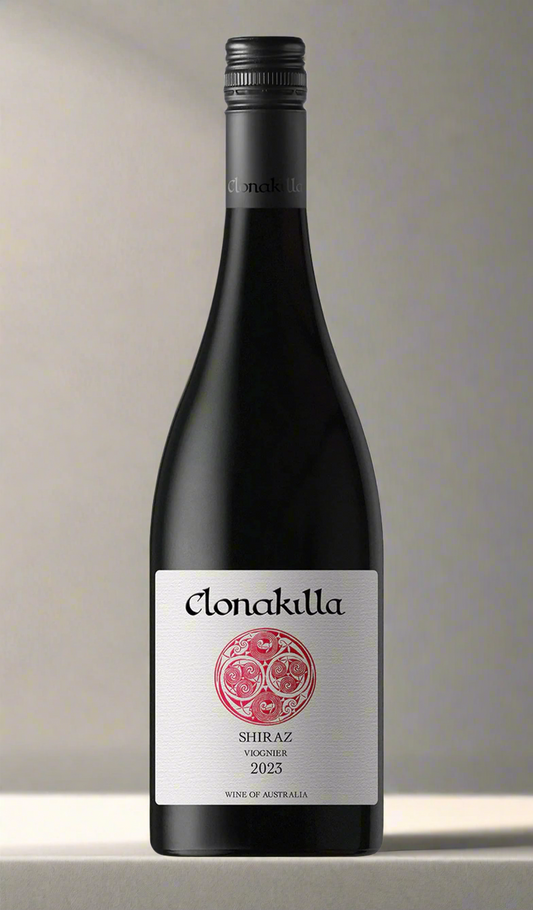
The region's ancient granite and shale soils contribute mineral complexity and fine tannin structure. Canberra Shiraz Viognier displays red and black fruit (cherry, plum, blackberry), pronounced floral aromatics (violet, rose petal, apricot blossom), white pepper spice, and silky, refined tannins. Clonakilla pioneered this style in Australia, creating benchmark wines that rival the finest Côte-Rôtie.
Yarra Valley, Victoria – Victoria's premier cool-climate region, the Yarra Valley produces elegant, restrained Shiraz Viognier with pronounced aromatics and fine structure. Located 50 kilometres northeast of Melbourne, the valley's varied elevations (50-400 metres) and diverse aspects create numerous microclimates.
The Yarra Valley's temperate maritime climate features moderate temperatures (averaging 19-25°C in summer), adequate rainfall, and cooling influences from Port Phillip Bay. The region's cool conditions produce Shiraz of elegance and finesse rather than power, with Viognier adding aromatic lift and textural complexity without overwhelming the wine's inherent refinement.
The valley's ancient volcanic and sedimentary soils—grey and red loams over clay—provide excellent water retention and contribute to the wine's structural complexity. Yarra Valley Shiraz Viognier displays bright red fruit (raspberry, cherry), floral aromatics, white pepper, and fine, silky tannins with excellent ageing potential.
The Viognier Influence
Viognier's contribution to the blend extends far beyond simple aromatic enhancement:
-
Aromatic complexity – Viognier contributes floral notes (violet, rose petal, orange blossom), stone fruit aromatics (apricot, peach), and exotic spice
-
Colour stabilisation – Viognier's phenolic compounds bind with Shiraz's anthocyanins, creating more stable, vibrant colour
-
Tannin softening – Co-fermentation creates polymerisation between varieties, producing softer, more integrated tannins
-
Textural enhancement – Viognier adds a silky, almost oily texture that enhances mouthfeel
-
Aromatic persistence – The blend displays greater aromatic longevity than Shiraz alone
The magic occurs during co-fermentation—fermenting the varieties together rather than blending finished wines. This allows chemical interactions between the varieties that cannot be achieved through post-fermentation blending.
Winemaking Approach
Producing exceptional Shiraz Viognier requires careful vineyard and winery management:
-
Harvest timing – Viognier is typically harvested slightly earlier than Shiraz to retain aromatic intensity and acidity
-
Co-fermentation – Varieties are fermented together, allowing chemical interactions that enhance colour, aroma, and texture
-
Percentage – Viognier typically comprises 2-8% of the blend, enough to influence without dominating
-
Oak maturation – French oak barrels (typically 20-40% new) add complexity whilst allowing the blend's distinctive character to shine
-
Extended ageing – Quality examples benefit from 12-18 months in oak, allowing flavours to integrate
Climate Influences
Successful Shiraz Viognier production requires specific climatic conditions:
-
Warm to hot days – Ensuring both varieties achieve full phenolic ripeness
-
Cool nights – Preserving aromatic intensity and natural acidity
-
Dry conditions – Reducing disease pressure and concentrating flavours
-
Diurnal variation – Temperature swings creating aromatic complexity and balanced ripeness
Australia's diverse wine regions provide ideal conditions for this blend, from McLaren Vale's Mediterranean warmth to Canberra's cool continental climate.
Tasting Profile
Shiraz Viognier displays distinctive characteristics that set it apart from pure Shiraz:
Appearance – Deep purple to ruby red with vibrant, stable colour intensity.
Aroma – Complex interplay of dark fruit (blackberry, plum), red fruit (cherry, raspberry), floral notes (violet, rose petal, orange blossom), stone fruit (apricot, peach), and spice (white pepper, clove). The Viognier contribution creates an exotic, perfumed quality that lifts the wine's aromatics.
Palate – Rich fruit concentration balanced by silky, refined tannins and refreshing acidity. The texture is notably smoother and more supple than pure Shiraz, with the Viognier adding an almost oily, luxurious mouthfeel. Flavours mirror the aromatics with additional notes of dark chocolate, liquorice, and subtle oak influence.
Finish – Long, elegant finish with persistent fruit and floral notes, fine tannins, and excellent balance.
Ageing Potential
Quality Shiraz Viognier ages gracefully, developing tertiary complexity over 5-15 years. The wines evolve from primary fruit and floral character towards savoury, earthy notes whilst maintaining the silky texture that defines the style. The Viognier component helps preserve aromatic intensity even as the wine matures.
Food Pairing & Serving
Shiraz Viognier's aromatic complexity and silky texture make it exceptionally food-friendly. The wine pairs beautifully with roasted lamb, duck breast, venison, barbecued meats, and rich game dishes. The floral aromatics complement Moroccan and Middle Eastern spiced dishes, whilst the wine's structure matches aged cheeses and charcuterie.
Serve at 16-18°C to appreciate the wine's aromatic complexity and textural refinement. Decanting young examples for 30-60 minutes allows the wine to open and display its full character.
Explore our Shiraz Viognier collection and discover this elegant, aromatic Australian blend at great value prices.