Belgian Abbey Beer Collection
Discover the exceptional world of Belgian abbey beers, where centuries of monastic brewing tradition meet unparalleled craftsmanship. Our collection showcases authentic Trappist ales, classic abbey styles, and Belgian-inspired beers from renowned breweries, offering extraordinary complexity and quality at great value prices.
Belgium's Monastic Brewing Heritage
Belgian abbey beer represents one of brewing's most revered traditions, rooted in the monastic communities that have brewed beer for over 1,000 years. Monks began brewing both to sustain their communities and to provide safe, nutritious beverages during times when water quality was unreliable. Over centuries, they refined their techniques, creating distinctive beer styles that remain benchmarks of brewing excellence.
Belgium's unique brewing culture developed in monasteries and abbeys across the country, where patient craftsmanship, quality ingredients, and spiritual dedication combined to create beers of remarkable character. Today, these traditions continue in both authentic Trappist breweries (operated by or under supervision of Trappist monks) and abbey-style breweries that honour monastic brewing methods.
Belgian Brewing Regions
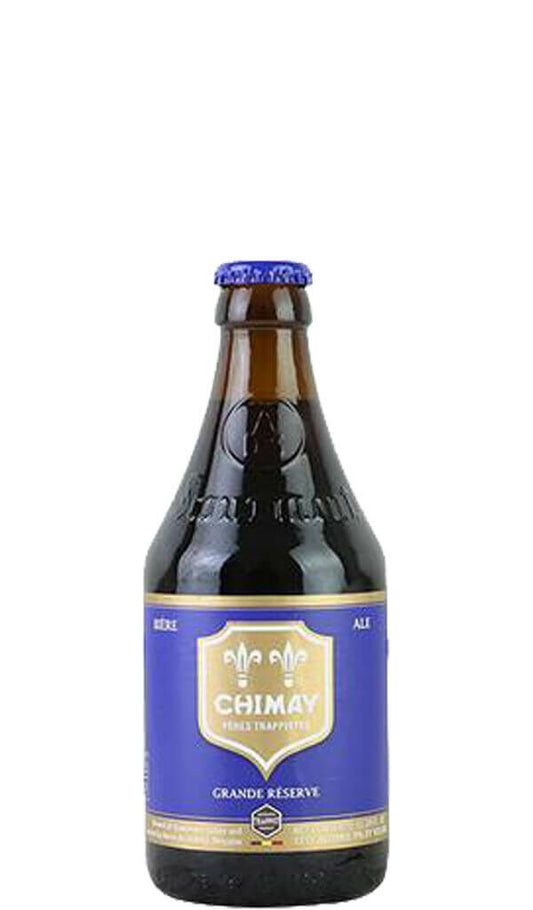
Wallonia (Southern Belgium) – The French-speaking region of Belgium hosts several renowned Trappist breweries, including Chimay (Scourmont Abbey) and Rochefort. Wallonia's rolling countryside, pure water sources from the Ardennes, and temperate climate create ideal conditions for traditional brewing.
The region's continental climate features cool winters and mild summers, allowing for controlled fermentation and patient maturation. Walloon breweries benefit from soft to moderately hard water, quality Belgian malts, and access to noble hop varieties, creating the foundation for complex, balanced beers.
Flanders (Northern Belgium) – The Dutch-speaking region encompasses diverse brewing traditions, from Trappist breweries like Westmalle to the spontaneously fermented lambics of the Pajottenland. Flanders' maritime-influenced climate and varied terroir support both traditional abbey ales and unique regional specialities.
Brabant – The central region surrounding Brussels hosts historic brewing towns and the Pajottenland lambic region. This area's unique microbial terroir and brewing heritage have created some of Belgium's most distinctive beer styles.
Classic Belgian Abbey Styles
Trappist Ales – Only beers brewed within Trappist monastery walls (or under direct monastic supervision) can carry the "Authentic Trappist Product" designation. These ales represent the pinnacle of Belgian brewing, adhering to strict quality standards and centuries-old recipes.
Trappist breweries produce various styles—from golden blonde ales to dark, complex quadrupels—united by exceptional quality, distinctive yeast character, and bottle conditioning. The beers fund monastic communities and charitable works, connecting each bottle to a living spiritual tradition.
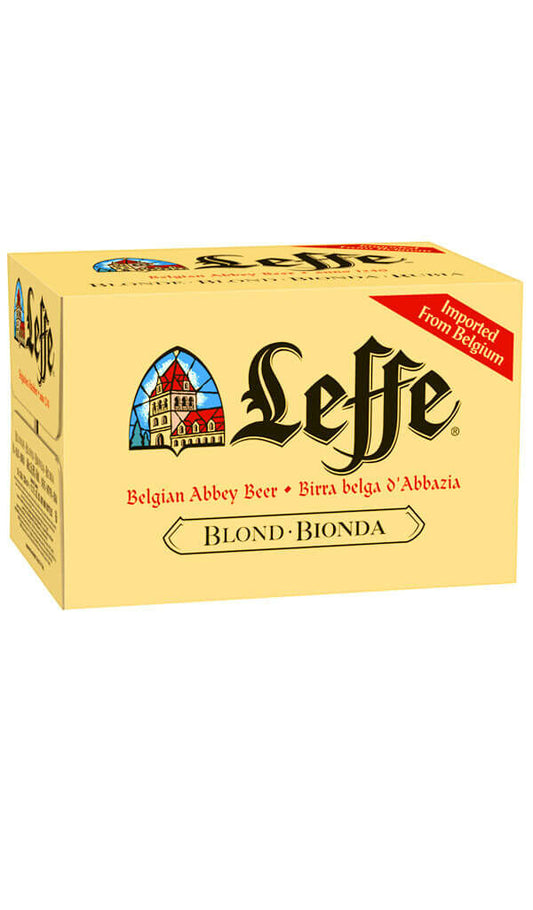
Blonde / Blond Abbey Ale – Golden to pale amber ales ranging from 6-7.5% ABV, blonde abbey beers showcase delicate malt sweetness, fruity esters (apple, pear, banana), subtle spice from Belgian yeast, and moderate hop bitterness. Leffe Blonde exemplifies this approachable yet complex style, offering smooth drinkability with layered flavour.
These beers display brilliant clarity, substantial white head, and balanced character that makes them excellent introductions to Belgian brewing. The style emphasises harmony—no single element dominates, creating refined, sophisticated beers.
Dubbel – Dark amber to brown ales (6.5-8% ABV) featuring rich malt character with notes of caramel, toffee, dark fruit (raisin, plum, fig), and toasted bread. Dubbels showcase Belgian yeast's complex character—fruity esters and phenolic spice (clove, pepper)—balanced by moderate hop bitterness.
The style originated at Westmalle Abbey, establishing the template for malt-forward Belgian ales. Dubbels offer substantial flavour and complexity whilst maintaining excellent drinkability, making them versatile food companions and contemplative sipping beers.
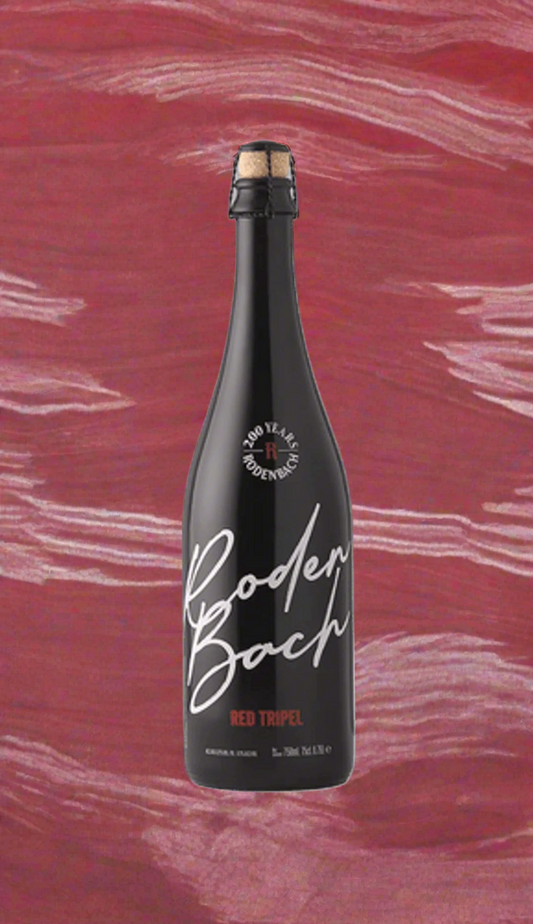
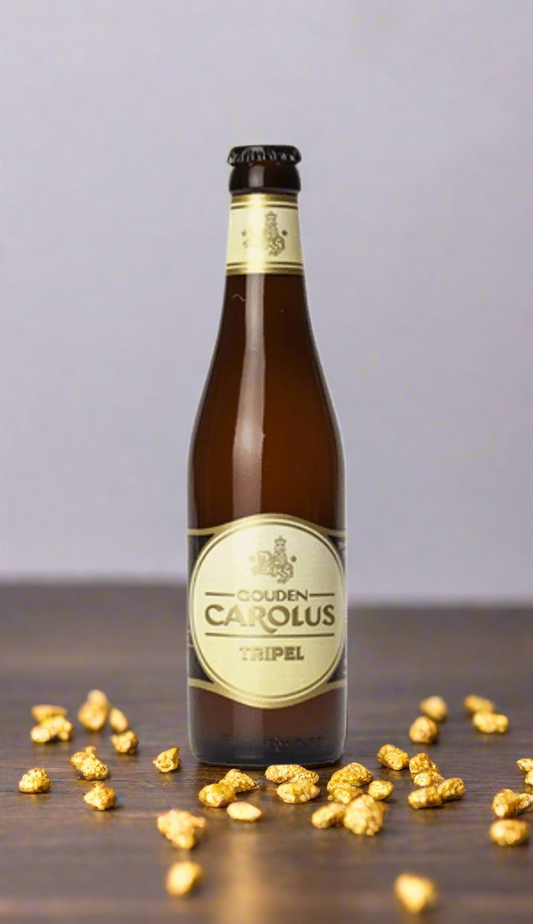
Tripel – Deceptively strong golden ales (7.5-10% ABV) that belie their alcohol content through brilliant balance and drinkability. Tripels display pale golden colour, substantial white head, and complex interplay of fruity esters (banana, apple, pear), spicy phenolics (pepper, clove), and subtle hop character.
Despite high alcohol, tripels maintain refreshing character through high carbonation, dry finish, and elegant balance. The style showcases Belgian brewing's ability to create strong beers that remain approachable and food-friendly. La Trappe Tripel demonstrates the style's refined complexity and deceptive drinkability.
Quadrupel (Quad) – The strongest abbey style (9-14% ABV), quadrupels feature deep mahogany to dark brown colour and extraordinary complexity. These beers showcase intense dark fruit character (raisin, fig, plum, date), caramel, toffee, chocolate, and warming alcohol, balanced by complex yeast character and subtle hop bitterness.
La Trappe Quadrupel exemplifies this contemplative style, offering vinous, port-like character with layers of flavour that evolve with age. Quadrupels are designed for sipping and savouring, often improving over years of cellaring.
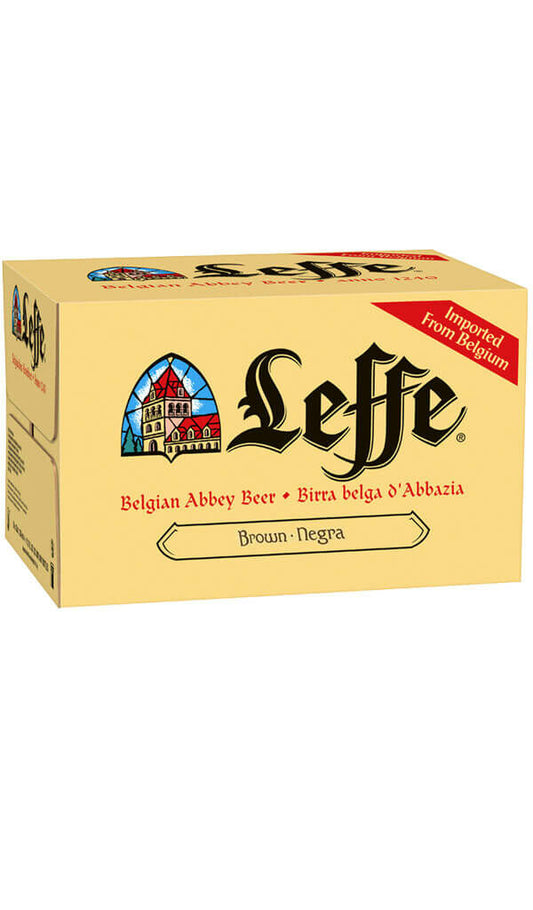
Brune / Bruin (Brown Ale) – Belgian brown ales like Leffe Brune showcase rich malt character with notes of caramel, chocolate, dark fruit, and toasted bread. These medium-bodied ales (6-7% ABV) balance malt sweetness with subtle hop bitterness and complex yeast character, creating approachable yet flavourful beers.
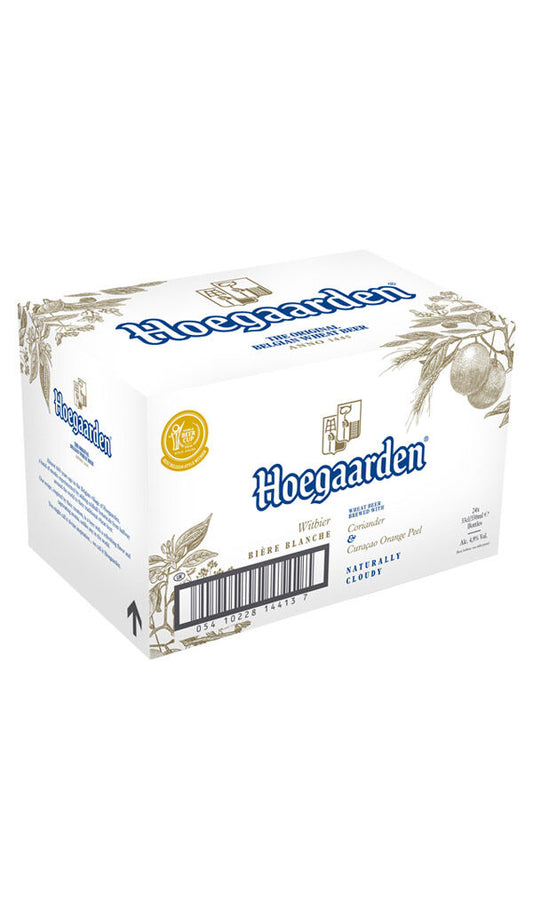
Witbier (White Beer) – A refreshing wheat beer style originating in the Belgian town of Hoegaarden, witbier features unmalted wheat (40-50%), oats, and traditional spicing with coriander and orange peel. The beer displays hazy, pale yellow colour, substantial white head, and aromas of citrus, coriander, and subtle spice.
Witbier's light body, moderate alcohol (4.5-5.5% ABV), and refreshing character make it perfect for warm weather and food pairing. The style nearly disappeared in the 1950s before being revived in Hoegaarden, becoming one of Belgium's most popular beer exports.
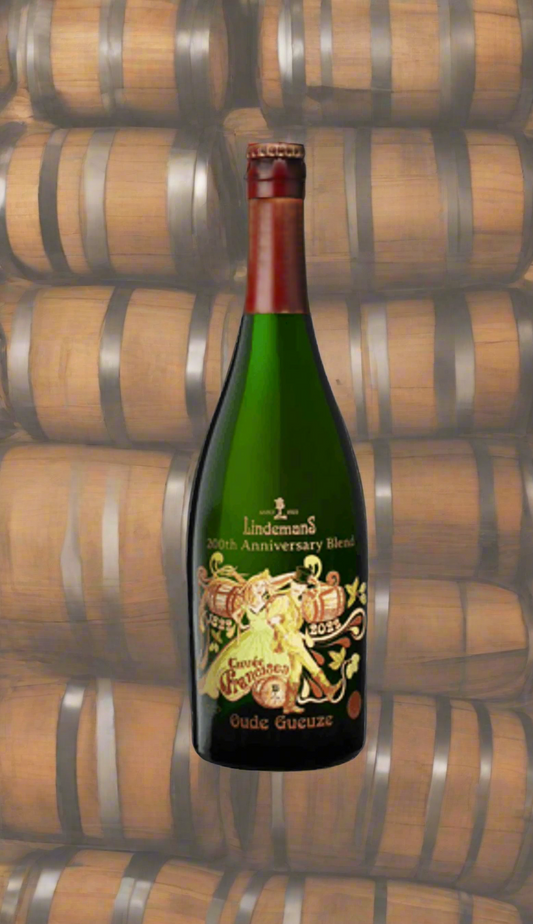
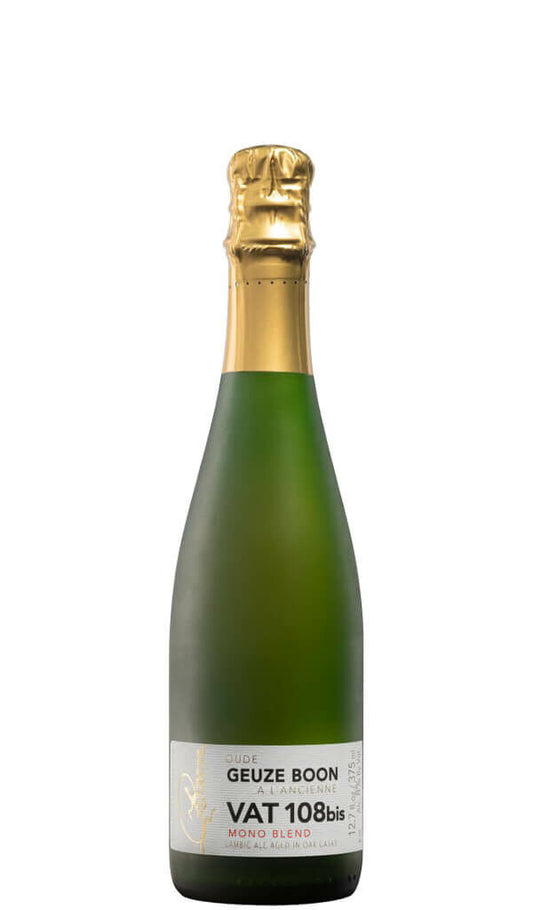
Lambic & Gueuze – Spontaneously fermented beers unique to Belgium's Pajottenland region, lambics undergo wild yeast fermentation creating tart, complex, wine-like character. Gueuze blends young and aged lambics, creating sparkling, champagne-like beers of extraordinary complexity.
Cantillon and Boon represent authentic lambic brewing, adhering to traditional methods unchanged for centuries. These beers showcase Belgium's unique microbial terroir and patient brewing traditions.
Belgian Yeast Character
Belgian abbey beers' distinctive character comes primarily from proprietary yeast strains, many maintained for centuries. These yeasts produce complex aromatics and flavours:
-
Fruity esters – Banana, apple, pear, stone fruit character
-
Phenolic spice – Clove, pepper, vanilla notes
-
Alcohol warmth – Smooth, integrated heat in stronger styles
-
Complexity – Layered, evolving flavour profiles
The interplay between yeast character, malt sweetness, and hop bitterness creates Belgian beer's signature complexity.
Brewing Techniques
Belgian abbey brewing employs time-honoured methods:
-
Bottle conditioning – Secondary fermentation in the bottle creating natural carbonation and allowing evolution
-
High fermentation temperatures – Warmer fermentation (18-28°C) encouraging yeast character development
-
Belgian candi sugar – Refined sugars adding alcohol and subtle flavour without heaviness
-
Noble hops – Delicate European varieties providing balance without dominating
-
Soft water – Low mineral content allowing malt and yeast character to shine
-
Extended maturation – Patient conditioning allowing flavours to integrate and develop
Climate Influences
Belgium's temperate maritime climate profoundly influences brewing:
-
Moderate temperatures – Cool to mild conditions ideal for controlled fermentation
-
Consistent humidity – Supporting bottle conditioning and cellar ageing
-
Pure water sources – Springs and wells providing quality brewing water
-
Agricultural heritage – Quality barley and wheat from Belgian and neighbouring farms
Serving & Pairing
Serve Belgian abbey beers at cellar to room temperature (8-14°C) in appropriate glassware—chalices for strong ales, tulips for tripels, and branded glasses when available. Proper serving temperature and glassware enhance the beer's complex aromatics and flavour.
Belgian abbey beers pair beautifully with diverse cuisines. Blonde ales complement seafood, chicken, and mild cheeses. Dubbels match roasted meats, stews, and aged cheeses. Tripels pair with spicy cuisine, rich fish dishes, and creamy cheeses. Quadrupels complement game, strong cheeses, and chocolate desserts. Witbier enhances salads, seafood, and light fare.
Cellaring & Evolution
Many Belgian abbey beers improve with age, particularly stronger styles. Store bottles upright in cool (10-15°C), dark conditions. Bottle-conditioned beers contain live yeast and will continue evolving, developing sherry-like notes, integrated alcohol, and smooth complexity over 5-10 years or more.
Explore our Belgian abbey beer collection and discover these exceptional, tradition-rich beers at great value prices.