Sour Beer Collection
Discover the captivating world of sour beer, where tart, complex flavours challenge conventional brewing and create extraordinary taste experiences. Our collection showcases authentic Belgian lambics, Flanders red ales, modern kettle sours, and innovative fruited sours from world-renowned breweries, offering exceptional quality at great value prices.
The Sour Beer Revolution
Sour beer represents one of brewing's oldest and most diverse traditions, encompassing styles that range from gently tart to intensely acidic. These beers derive their characteristic sourness from lactic acid bacteria, wild yeast strains (particularly Brettanomyces), or controlled acidification techniques, creating flavour profiles that are complex, refreshing, and utterly distinctive.
Whilst sour beer has ancient roots in European brewing—particularly Belgium—the style has experienced a global renaissance. Modern brewers combine traditional techniques with contemporary innovation, creating sour beers that honour heritage whilst exploring new flavour territories through fruit additions, barrel ageing, and creative fermentation approaches.
Belgian Sour Beer Regions
Pajottenland (Belgium) – The heartland of spontaneously fermented lambic beer, this small region southwest of Brussels possesses unique atmospheric conditions that make authentic lambic production possible. The area's indigenous wild yeast strains (Brettanomyces bruxellensis and Brettanomyces lambicus) and lactic acid bacteria create lambic's distinctive tart, funky character.
The Pajottenland's cool, maritime-influenced climate provides ideal conditions for spontaneous fermentation. Traditional lambic breweries use coolships—large, shallow copper vessels where hot wort is exposed to cool night air, allowing wild microorganisms to inoculate the beer naturally. The wort then matures in oak barrels for one to three years, developing extraordinary complexity.
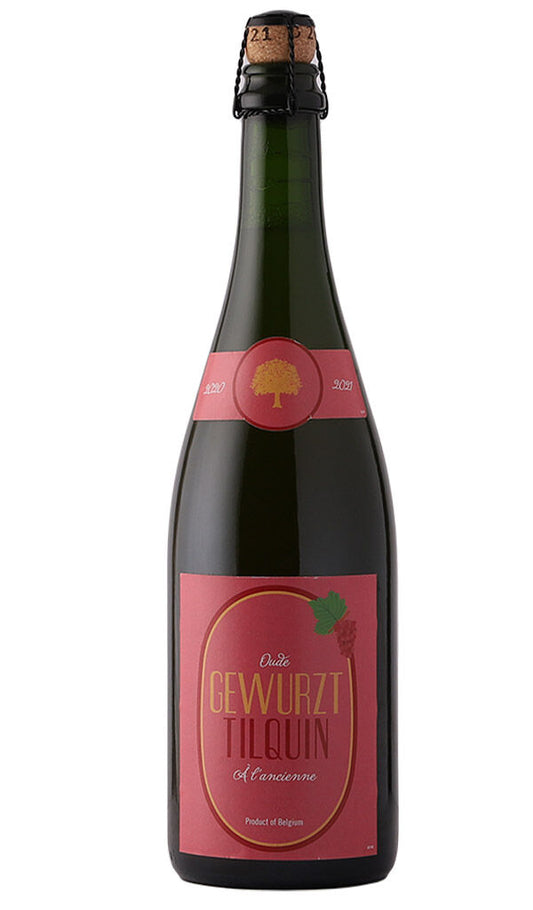
Breweries like Cantillon, Oud Beersel, and Tilquin maintain centuries-old traditions, producing lambics and fruit lambics (kriek, framboise, quetsche) of unparalleled authenticity and character. These beers showcase Belgium's unique microbial terroir—impossible to replicate elsewhere.
West Flanders (Belgium) – Home to Flanders red and brown ales, this region's brewing tradition centres on mixed fermentation and extended oak barrel ageing. Rodenbach, the most renowned producer, ages beer in massive oak foeders (large wooden vats) for up to two years, creating complex, wine-like sour ales.
West Flanders' temperate maritime climate and brewing heritage have created distinctive sour ale styles that balance malt richness with refreshing acidity, offering more approachable sourness than lambics whilst maintaining remarkable complexity.
Sour Beer Styles
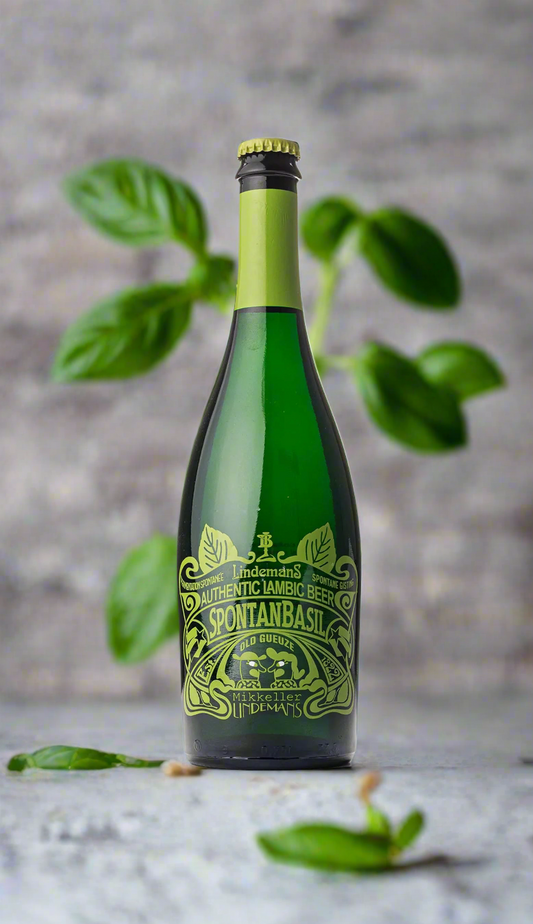
Lambic & Gueuze – Spontaneously fermented beers unique to Belgium's Pajottenland, lambics undergo wild yeast and bacteria fermentation creating tart, funky, wine-like character. Young lambic (one year) is intensely sour and rustic, whilst aged lambic (two to three years) develops complex, refined character.
Gueuze blends young and aged lambics, re-fermenting in the bottle to create sparkling, champagne-like beer of extraordinary complexity. Expect flavours of tart apple, citrus, oak, barnyard funk, and subtle fruit, with bone-dry finish and lively carbonation. Cantillon Gueuze represents the pinnacle of this ancient style.
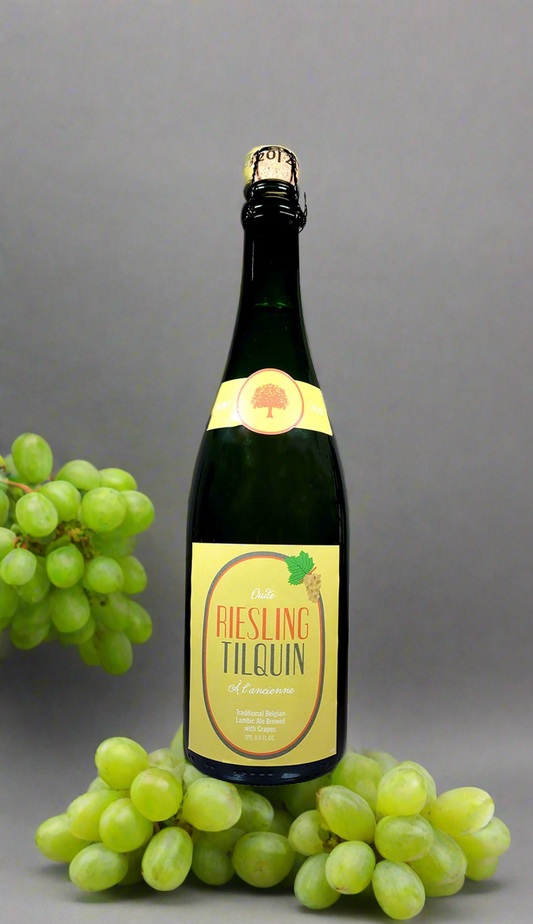
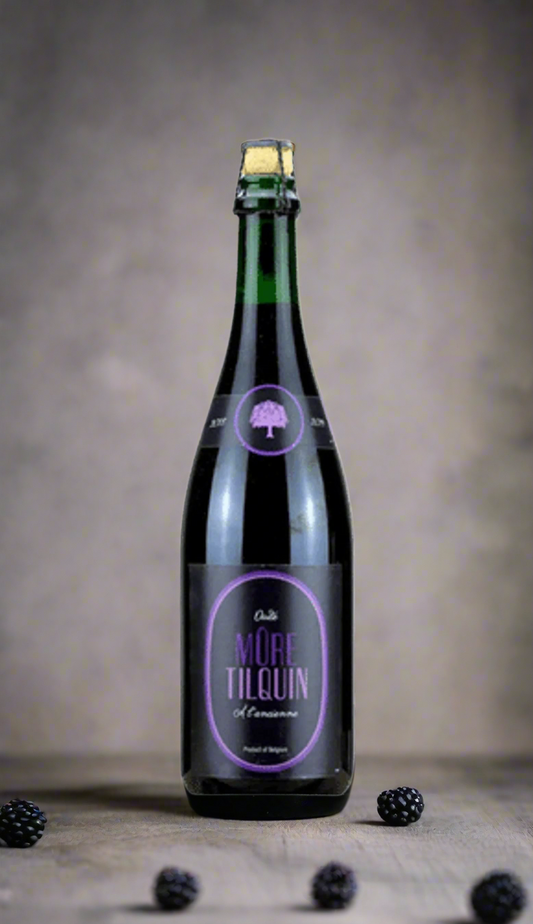
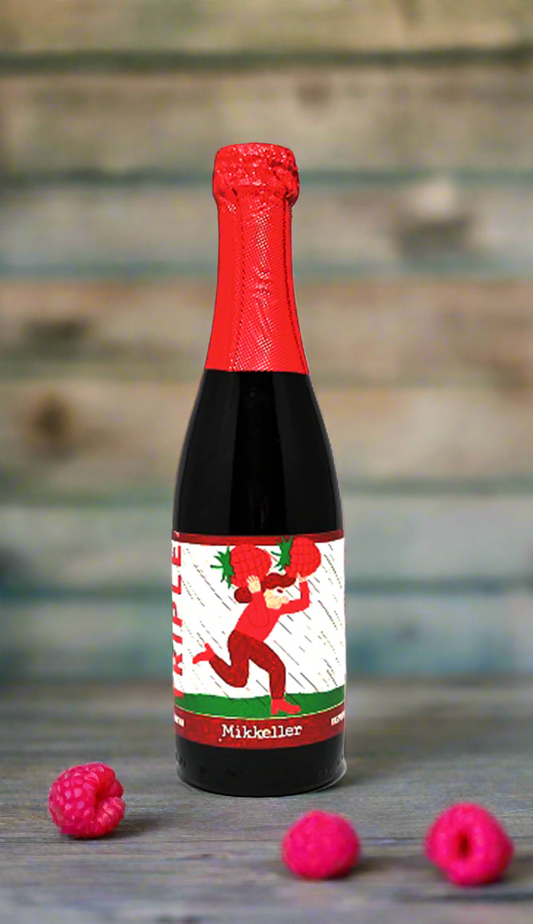
Fruit Lambic (Kriek, Framboise, Quetsche) – Traditional fruit lambics macerate whole fruit in aged lambic, creating secondary fermentation that adds tart fruit character and natural colour. Kriek (cherry) is the most traditional, featuring sour cherries that contribute tartness, subtle almond notes from the stones, and beautiful ruby colour.
Authentic fruit lambics (marked "100% Lambic" or "Oude Kriek") contain no added sugars or artificial flavourings, showcasing pure fruit and lambic character. Other fruits include raspberries (framboise), plums (quetsche), and various seasonal fruits. Cantillon Kriek and Oud Beersel Oude Kriek exemplify this traditional style.
Flanders Red Ale – West Flanders' signature sour style, these beers undergo mixed fermentation with lactic acid bacteria and Brettanomyces, followed by extended oak barrel ageing (18 months to 2 years). The result is complex, wine-like ales with deep reddish-brown colour and balanced sweet-sour character.
Rodenbach Grand Cru showcases the style's sophistication, displaying notes of dark fruit, oak, balsamic vinegar, and subtle malt sweetness balanced by refreshing acidity. The beer's complexity and food-pairing versatility make it a favourite among beer and wine enthusiasts alike.
Kettle Sour – A modern technique allowing rapid sour beer production, kettle souring introduces lactic acid bacteria to the wort before fermentation, creating clean, controlled tartness in days rather than years. This method enables brewers to produce consistent, approachable sour beers with bright, refreshing acidity.
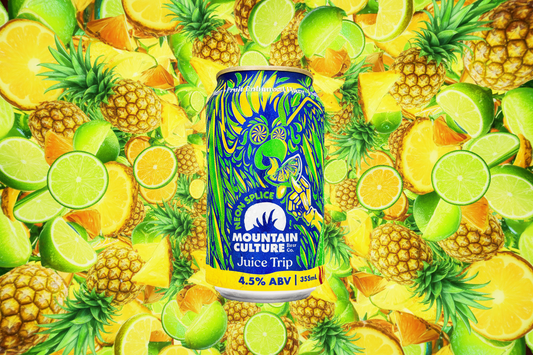
Kettle sours often feature fruit additions (passionfruit, mango, raspberry) that complement the clean tartness, creating juice-like, refreshing beers perfect for warm weather. Australian breweries like Hawkers, Hop Hen, and Bad Shepherd have embraced this style, creating vibrant, fruit-forward sours.
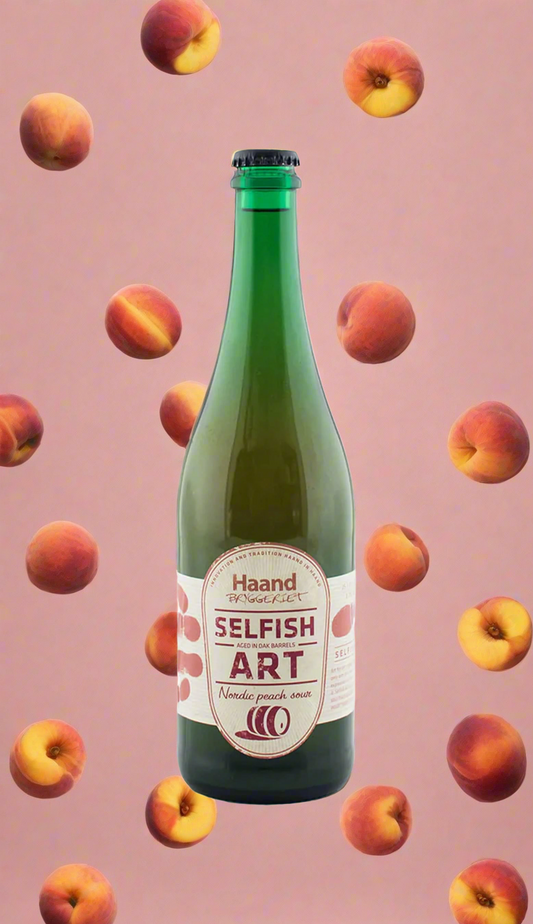
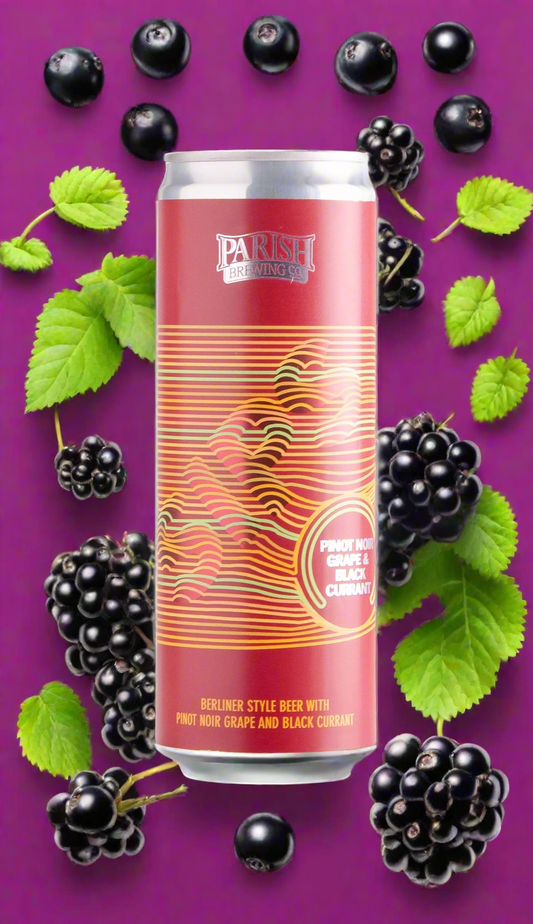
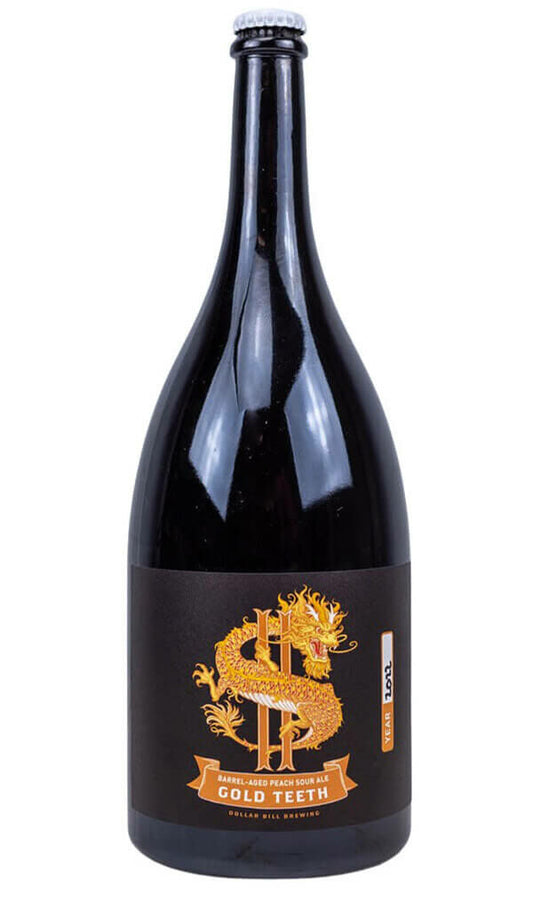
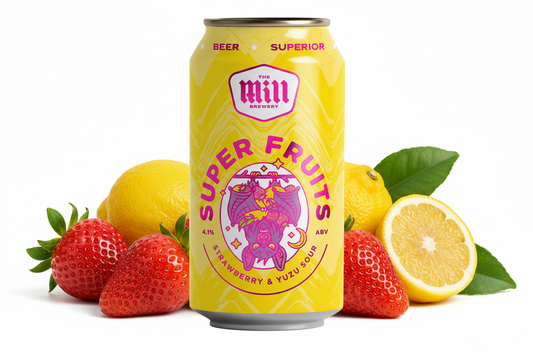
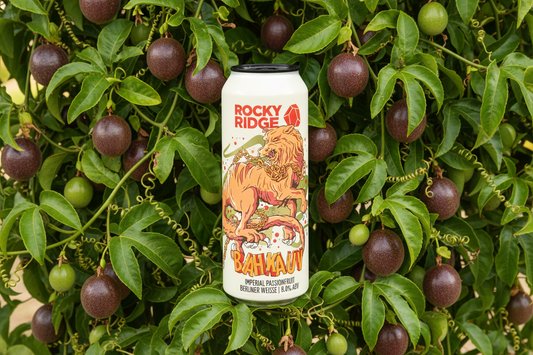
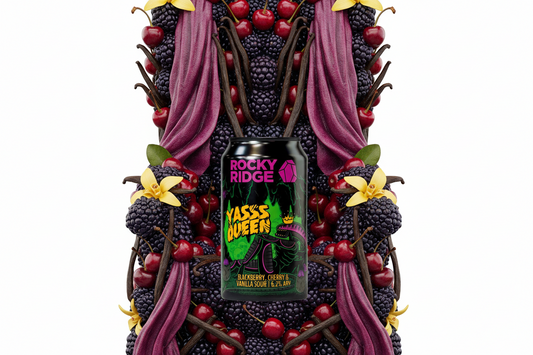
Fruited Sour – Contemporary sour beers featuring substantial fruit additions, creating intensely flavourful, often dessert-like beers. These range from subtle fruit-enhanced sours to thick, smoothie-style beers packed with fruit purée. Flavours span from classic berries to creative combinations like blueberry muffin, blackberry maple crème brûlée, and cucumber dill pickle.
Modern fruited sours showcase brewing creativity, often incorporating lactose for body, vanilla for complexity, and multiple fruit additions for layered flavour. These beers appeal to both beer enthusiasts and those new to sour styles.
Gose – A traditional German sour wheat beer from Goslar, gose features gentle tartness from lactic acid bacteria, subtle saltiness, and coriander spicing. Modern interpretations often add fruit (particularly passionfruit, mango, or citrus) creating refreshing, sessionable sours with moderate acidity and excellent drinkability.
Wild Ale – Beers fermented with wild yeast strains (Brettanomyces) and bacteria, often aged in oak barrels. Wild ales range from gently funky to intensely sour, showcasing complex aromatics of barnyard, hay, fruit, and oak. Some incorporate Solera systems—fractional blending techniques creating consistent house styles.
Brewing Techniques
Sour beer production employs diverse fermentation approaches:
-
Spontaneous fermentation – Coolship inoculation with wild airborne microorganisms (lambic tradition)
-
Mixed fermentation – Combining brewing yeast with Brettanomyces and lactic acid bacteria
-
Kettle souring – Pre-fermentation acidification with lactic acid bacteria
-
Barrel ageing – Extended oak maturation allowing wild yeast and bacteria to develop complexity
-
Fruit additions – Whole fruit, purée, or juice creating secondary fermentation and flavour
-
Solera blending – Fractional blending of different ages creating consistent complexity
Climate & Terroir
Traditional sour beer production benefits from specific climatic conditions:
-
Cool temperatures – Belgium's temperate climate (averaging 10-18°C) allows controlled wild fermentation
-
Unique microflora – Regional wild yeast and bacteria populations creating distinctive local character
-
Moderate humidity – Supporting barrel ageing without excessive evaporation
-
Seasonal brewing – Traditional lambic brewing occurs October to May when wild yeast populations are optimal
The Pajottenland's specific atmospheric conditions—cool, moist air from the Senne Valley—create the perfect environment for lambic's wild yeast populations to thrive, making authentic lambic production impossible to replicate elsewhere.
Global Sour Beer Innovation
Australia – Australian craft brewers have embraced sour beer with enthusiasm, creating vibrant kettle sours and fruited sours that showcase local ingredients and bold flavours. Victoria's Yarra Valley and Melbourne breweries produce exceptional examples.
United States – American brewers pioneered modern fruited sours and wild ales, pushing boundaries with creative fruit combinations and barrel-ageing programmes.
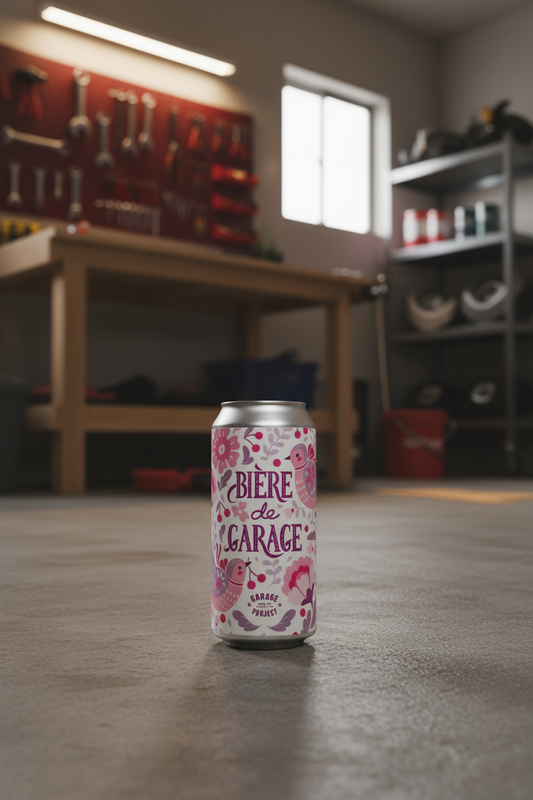
New Zealand – Innovative breweries like Garage Project create adventurous sour beers with unexpected ingredients and flavour combinations.
Serving & Pairing
Serve sour beers at cellar temperature (8-12°C) in tulip or wine glasses to appreciate their complex aromatics. Lambics and gueuze pair beautifully with mussels, seafood, soft cheeses, and fruit desserts. Flanders red ales complement duck, pork, aged cheeses, and chocolate. Fruited sours match salads, light appetisers, and fruit-based desserts. The high acidity makes sour beers excellent palate cleansers.
Many traditional sour beers improve with age. Store bottles upright in cool (10-15°C), dark conditions. Lambics and gueuze can age gracefully for 5-20 years, developing sherry-like complexity.
Explore our sour beer collection and discover these distinctive, complex beers at great value prices.