Dark Beer Collection
Discover the rich, complex world of dark beer, where roasted malts, chocolate notes, and full-bodied character create deeply satisfying drinking experiences. Our collection showcases exceptional stouts, porters, imperial stouts, barrel-aged dark ales, and German dunkel lagers from renowned breweries worldwide, offering outstanding quality at great value prices.
The Dark Beer Tradition
Dark beers represent brewing's most indulgent and contemplative styles, characterised by deep brown to black colour derived from roasted malts and specialty grains. These beers showcase complex flavour profiles—chocolate, coffee, caramel, toffee, roasted grain—balanced by varying levels of hop bitterness, alcohol warmth, and smooth, full-bodied texture.
The tradition of dark beer brewing spans continents and centuries, from Irish dry stouts and English porters to German dunkel lagers and modern American imperial stouts. Each style reflects its regional heritage whilst celebrating the transformative power of roasted malt.
Key Dark Beer Regions
Ireland – The spiritual home of dry stout, Ireland's brewing tradition centres on Dublin, where Guinness established the template for this iconic style. Ireland's cool, maritime climate and soft water create ideal conditions for brewing smooth, roasted stouts with distinctive character.
Irish stouts emphasise drinkability despite their dark appearance, featuring moderate alcohol (4-5% ABV), dry finish, and roasted barley character that creates coffee-like bitterness without heaviness. The style's sessionability and food-friendliness have made it globally beloved.
England – London's historic brewing industry developed porter in the 18th century, creating one of the world's first industrially produced beer styles. English dark ales showcase malt complexity, moderate roast character, and balanced hop bitterness, emphasising drinkability and nuanced flavour over extreme characteristics.
Bavaria, Germany – German dunkel (dark) lagers represent a different approach to dark beer, emphasising clean lager fermentation, smooth malt character, and subtle roast notes. Bavaria's cool climate and lagering traditions create dark beers of exceptional refinement and balance.
Australia – Australian craft brewers have embraced dark beer with enthusiasm, creating world-class imperial stouts, barrel-aged stouts, and innovative pastry stouts. Victoria's brewing scene, particularly Melbourne and the Yarra Valley, produces exceptional dark beers that rival international benchmarks.
Australia's varied climate—from cool Victoria to warmer Queensland—allows diverse approaches to dark beer brewing, whilst the country's wine industry provides abundant barrels for ageing programmes.
Dark Beer Styles
Stout – The quintessential dark beer, stout features deep brown to black colour, substantial roasted malt character, and creamy texture. Classic dry stout (Irish style) displays coffee and dark chocolate notes with dry, roasted finish and moderate alcohol (4-5% ABV). The style emphasises drinkability, with smooth mouthfeel often enhanced by nitrogen dispense creating cascading effect and creamy head.
Modern stouts range from sessionable dry stouts to rich, sweet stouts with added lactose, oats, or adjuncts creating fuller body and sweeter character. Expect flavours of espresso, dark chocolate, roasted grain, and subtle hop bitterness.
Imperial Stout / Russian Imperial Stout (RIS) – Originally brewed for the Russian Imperial Court, imperial stouts feature elevated alcohol (8-12% ABV or higher), intense roasted malt character, and full, warming body. These beers showcase extraordinary complexity—dark chocolate, espresso, dark fruit, liquorice, molasses—with substantial hop bitterness balancing rich malt sweetness.
Imperial stouts are designed for contemplative sipping rather than session drinking, often improving with age as flavours integrate and harsh edges mellow. Australian breweries like Hargreaves Hill, Boatrocker, and Hawkers produce world-class examples.
Barrel-Aged Stout – Imperial stouts aged in spirit barrels (bourbon, whisky, rum, brandy) for months or years, developing extraordinary complexity. The barrel ageing process imparts vanilla, oak, caramel, and spirit character whilst softening the beer's edges and adding layers of flavour.
Expect intense flavours of dark chocolate, espresso, vanilla, oak, bourbon, and warming alcohol, with smooth, velvety texture. These beers often improve with cellaring, developing over years into complex, sophisticated beverages. Boatrocker Ramjet and Hawkers barrel-aged releases exemplify this style's potential.
Pastry Stout – A modern innovation, pastry stouts incorporate dessert-inspired ingredients—vanilla, chocolate, coffee, fruit, spices, lactose—creating thick, sweet, indulgent beers reminiscent of liquid desserts. These beers feature substantial body, low carbonation, and intense flavour from adjunct additions.
Flavours range from hot cross bun and blueberry muffin to maple syrup and chocolate cake. Whilst controversial among traditionalists, pastry stouts have gained enormous popularity for their approachable sweetness and creative flavour combinations.
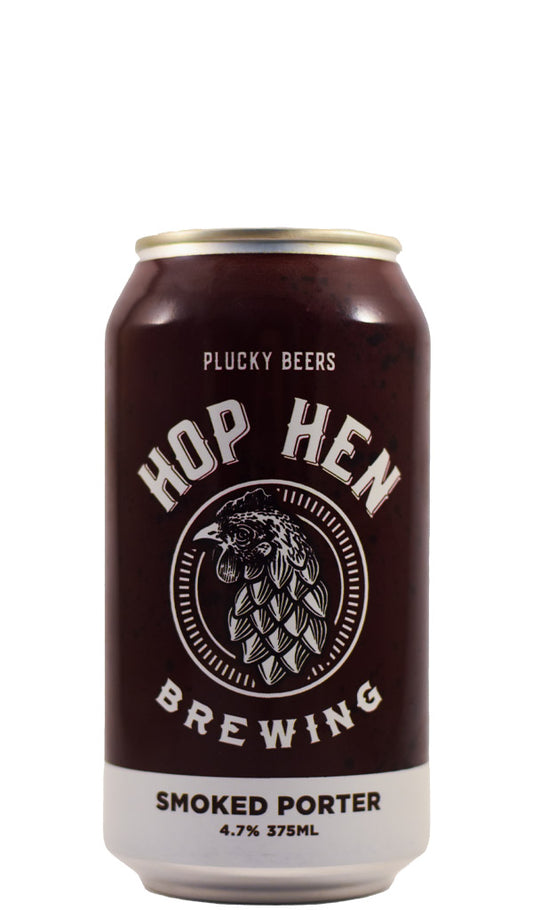
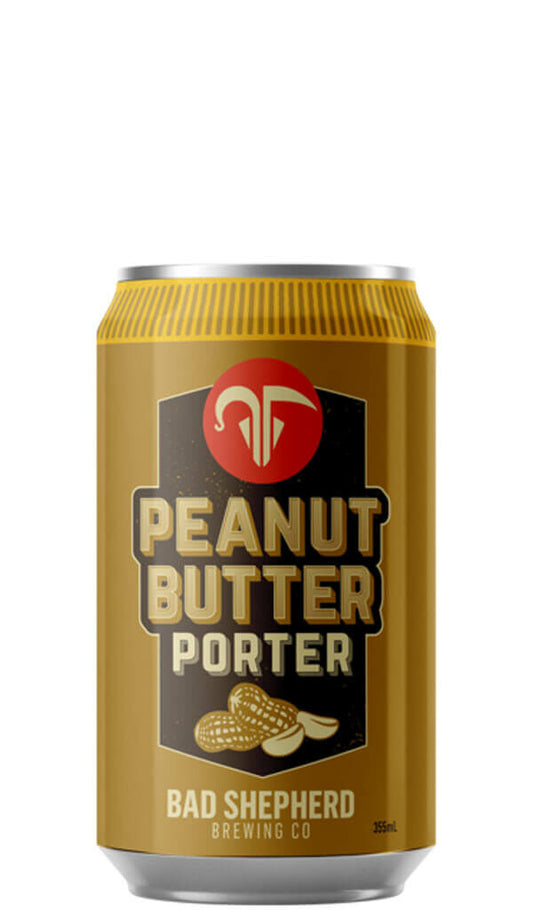
Porter – The precursor to stout, porter features moderate roast character, chocolate and caramel notes, and balanced hop bitterness. Porters typically range from 4.5-6% ABV with brown to dark brown colour and medium body. The style emphasises balance and drinkability, offering dark beer character without stout's intensity.
Modern porters range from traditional English-style (moderate, balanced) to robust American porters (bolder, hoppier) and Baltic porters (stronger, lager-fermented).
Black IPA / Cascadian Dark Ale – A contemporary style combining IPA's hop-forward character with dark malt's roasted notes. Black IPAs feature black colour, substantial hop aroma and bitterness, and moderate roast character that doesn't dominate. The style showcases the interplay between citrusy, piney hops and chocolate, coffee malt notes.
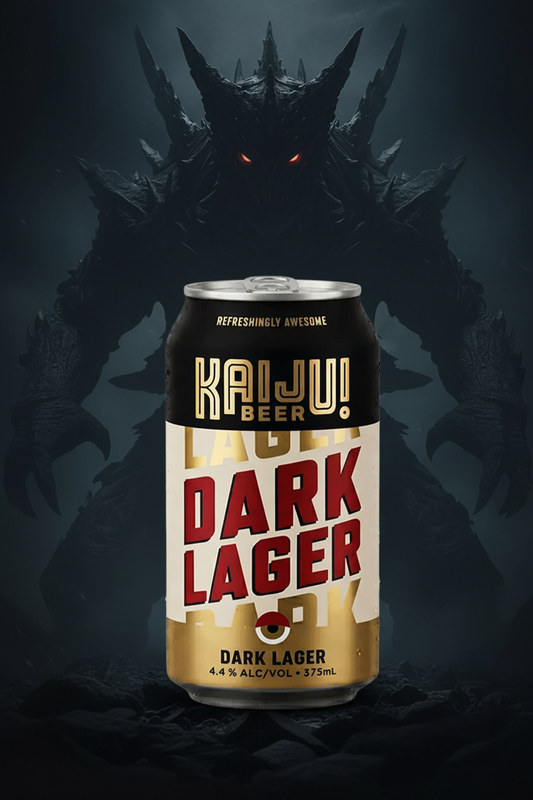
Dunkel (Dark Lager) – German dark lagers featuring smooth, clean fermentation, rich malt character, and subtle roast notes. Dunkels display deep amber to brown colour with flavours of bread crust, caramel, chocolate, and toasted malt, balanced by moderate hop bitterness and crisp lager finish.
Ayinger Altbairisch Dunkel exemplifies this elegant style, offering complexity and flavour whilst maintaining the clean, refreshing character that defines German lagers.
Roasted Malt Character
Dark beer's distinctive character comes from roasted and specialty malts:
-
Roasted barley – Creates dry, coffee-like bitterness and black colour (used in Irish stout)
-
Chocolate malt – Provides chocolate and nutty flavours without harsh bitterness
-
Black malt – Adds colour and subtle roast character
-
Carafa malt – Dehusked roasted malt adding colour with minimal astringency
-
Crystal/Caramel malts – Contribute sweetness, body, and caramel notes
-
Munich malt – Adds rich, bready malt character and colour
The art of dark beer brewing lies in balancing these malts to create layered, complex flavour without harshness or excessive bitterness.
Brewing Techniques
Dark beer production employs diverse approaches:
-
Roasted malt selection – Careful choice and proportion of specialty malts creating desired flavour profile
-
Water chemistry – Adjusting mineral content to enhance roast character or create smooth mouthfeel
-
Nitrogen dispense – Creating creamy texture and cascading effect in certain stouts
-
Barrel ageing – Extended maturation in spirit barrels adding complexity
-
Adjunct additions – Incorporating coffee, chocolate, vanilla, fruit, or spices
-
High-gravity brewing – Creating elevated alcohol for imperial styles
-
Lager fermentation – Clean, cold fermentation for dunkel and Baltic porter
Climate Influences
Dark beer production benefits from various climatic conditions:
-
Cool climates – Ireland, England, and Germany's temperate conditions suit traditional dark ale and lager production
-
Quality water – Soft to moderately hard water supporting roasted malt character
-
Seasonal brewing – Dark beers traditionally brewed and enjoyed during cooler months
-
Barrel availability – Access to spirit barrels from whisky, bourbon, and wine industries
Alcohol-Free Options
Modern brewing techniques enable exceptional alcohol-free dark beers that maintain the roasted character, creamy texture, and flavour complexity of traditional stouts. Guinness 0.0 demonstrates that dark beer character doesn't require alcohol, offering the same smooth, roasted profile in a non-alcoholic package.
Serving & Pairing
Serve dark beers at cellar to room temperature (10-14°C) to appreciate their full flavour complexity. Colder temperatures mute the nuanced roast, chocolate, and coffee notes these beers offer.
Dark beers pair beautifully with rich, flavourful foods. Dry stouts complement oysters, seafood, and chocolate desserts. Imperial stouts match aged cheeses, game meats, and rich chocolate dishes. Porters pair with barbecue, roasted meats, and caramel desserts. Dunkel lagers complement sausages, roasted chicken, and hearty stews.
Many imperial and barrel-aged stouts improve with cellaring. Store bottles upright in cool (10-15°C), dark conditions, allowing flavours to integrate and evolve over months or years.
Explore our dark beer collection and discover these rich, complex beers at great value prices.