German Beer Styles Collection
Discover the exceptional world of German beer, where centuries of brewing tradition meet uncompromising quality standards. Our collection showcases authentic German-style beers including crisp pilsners, rich bocks, and refreshing wheat beers, crafted according to time-honoured methods and offering great value prices.
Germany's Brewing Heritage
Germany's brewing tradition spans over 1,000 years, creating some of the world's most influential and beloved beer styles. The country's commitment to quality is enshrined in the Reinheitsgebot (German Beer Purity Law), originally enacted in 1516, which mandates that beer be brewed using only water, barley, hops, and yeast. This dedication to purity and tradition has established German beer as the global benchmark for quality and consistency.
German brewing culture is deeply regional, with each area developing distinctive styles that reflect local water sources, climate, and cultural preferences. From Bavaria's wheat beers and bocks to the crisp pilsners of the north, German beer styles showcase remarkable diversity within a framework of brewing excellence.
Key German Brewing Regions
Bavaria – Germany's southernmost state is the heartland of German brewing, producing more beer than any other region. Bavaria's brewing culture centres around Munich and the surrounding countryside, where centuries-old breweries and beer gardens define the social landscape.
Bavaria's continental climate features warm summers and cold winters, with the Alpine foothills providing pure, soft water ideal for brewing. The region's traditional brewing season ran from late September to April (before refrigeration), when cool temperatures allowed for the controlled fermentation essential to lager production. This seasonal brewing gave rise to Märzen (brewed in March) and Maibock (May bock) styles.
The region is renowned for wheat beers (Weissbier/Hefeweizen), strong bocks and doppelbocks, and the amber Märzen lagers served at Oktoberfest. Bavarian brewing law historically restricted wheat beer production to the royal Wittelsbach family, making it a prestigious, sought-after style.
Franconia – Northern Bavaria's Franconia region, centred around Bamberg and Nuremberg, maintains Germany's highest brewery density. The region's unique brewing traditions include Rauchbier (smoked beer) and Kellerbier (unfiltered cellar beer).
Franconia's limestone-rich water and local barley varieties create distinctive beer character. The region's cool cellars, carved into hillsides, provided natural lagering conditions long before mechanical refrigeration, establishing the area's reputation for exceptionally clean, well-conditioned lagers.
Northern Germany – The birthplace of pilsner-style brewing in Germany, the northern regions produce crisp, hop-forward lagers that showcase noble German hops. The harder water in these areas suits the pilsner style, creating beers with pronounced hop bitterness and brilliant clarity.
Classic German Beer Styles
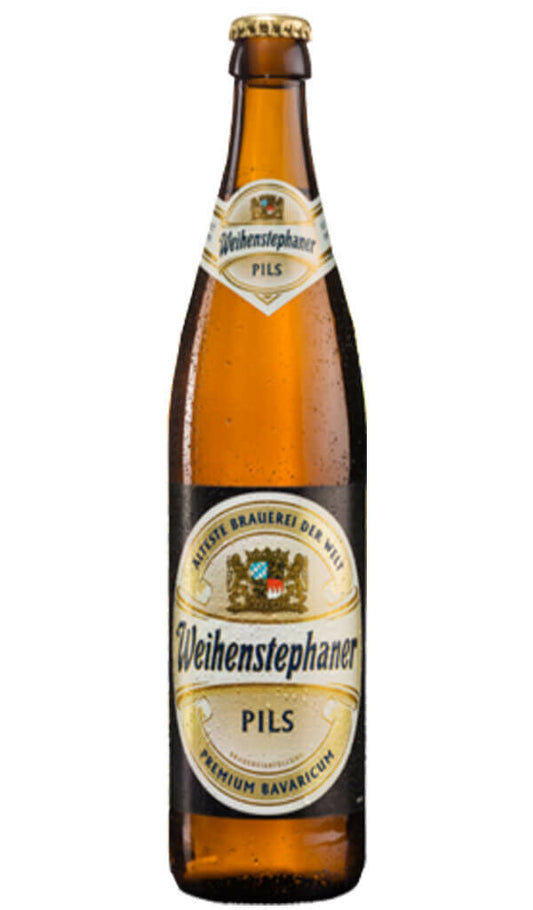
Pilsner (Pils) – Germany's interpretation of the Czech pilsner style, German Pils is characterised by brilliant golden colour, substantial white head, and pronounced hop bitterness from noble German hops (Hallertau, Tettnang, Spalt). The style displays crisp, clean malt character with floral, herbal hop aromatics and a dry, bitter finish. German Pils typically ranges from 4.5-5.5% ABV with assertive bitterness (25-45 IBU).
The style showcases the purity of German brewing—simple ingredients transformed through meticulous technique into a refreshing, perfectly balanced lager. Weihenstephaner's Pils exemplifies the style's elegant restraint and hop-forward character.
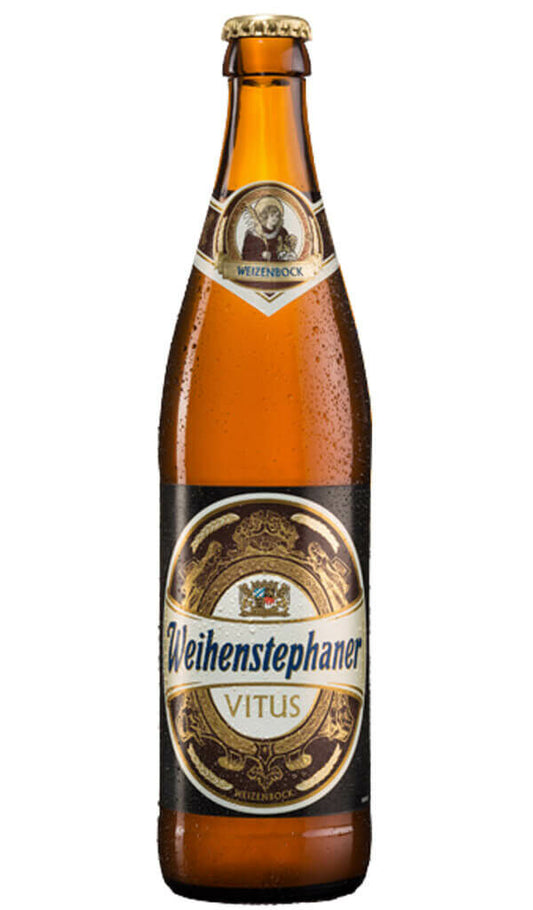
Weizenbock – A stronger, richer version of traditional Hefeweizen (wheat beer), Weizenbock combines wheat beer's characteristic banana and clove yeast character with the strength and maltiness of bock beer. These beers range from 6.5-9% ABV, displaying deep amber to dark brown colour with substantial body and warming alcohol.
Weizenbock showcases complex yeast-derived flavours—banana, clove, bubblegum, vanilla—alongside rich malt character with notes of bread, caramel, and dark fruit. The style is traditionally enjoyed during colder months, offering warming strength and complex flavour. Weihenstephaner Vitus represents the pinnacle of this style, balancing power with drinkability.
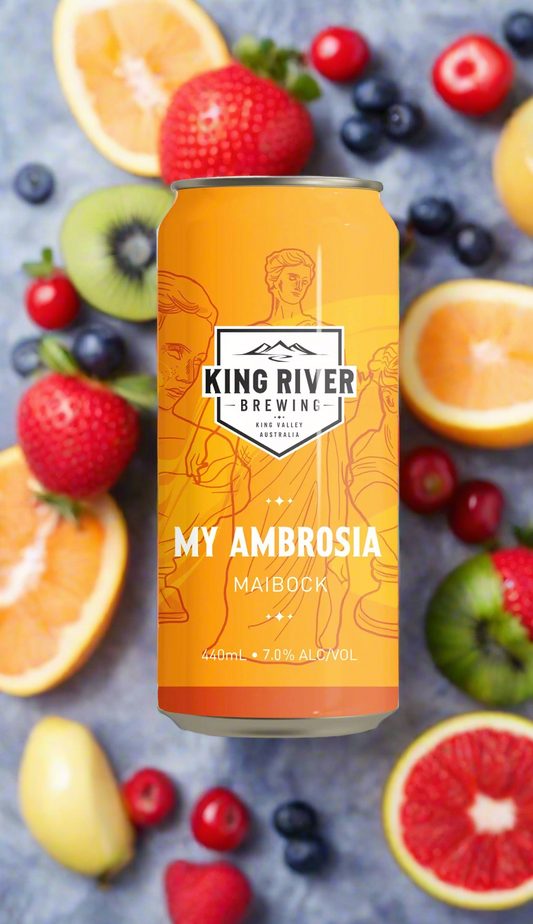
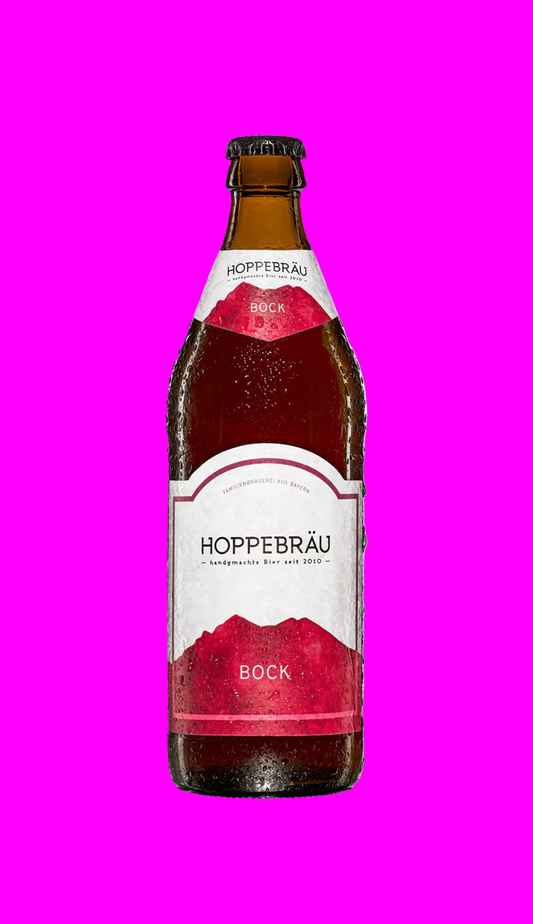
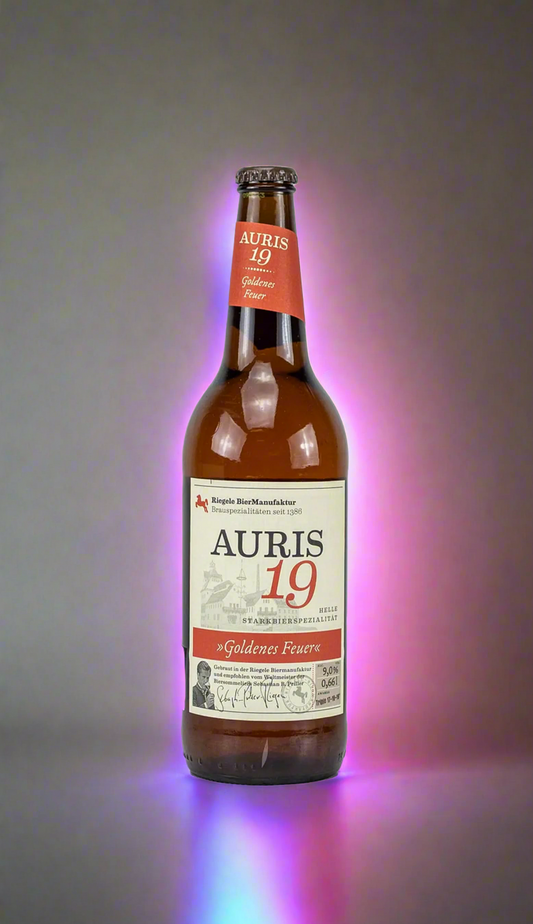
Bock – A family of strong lagers originating in Einbeck and perfected in Bavaria, bock beers range from 6-7.5% ABV with rich malt character and smooth, clean finish. Traditional bock displays deep amber to brown colour with toasted bread, caramel, and subtle fruit notes. The style emphasises malt sweetness balanced by sufficient hop bitterness to prevent cloying.
Variations include Maibock (paler, hoppier spring bock), Doppelbock (stronger, richer "double bock" at 7-10% ABV), and Eisbock (concentrated through freezing). Each showcases German brewing's ability to create strong beers of remarkable smoothness and balance.
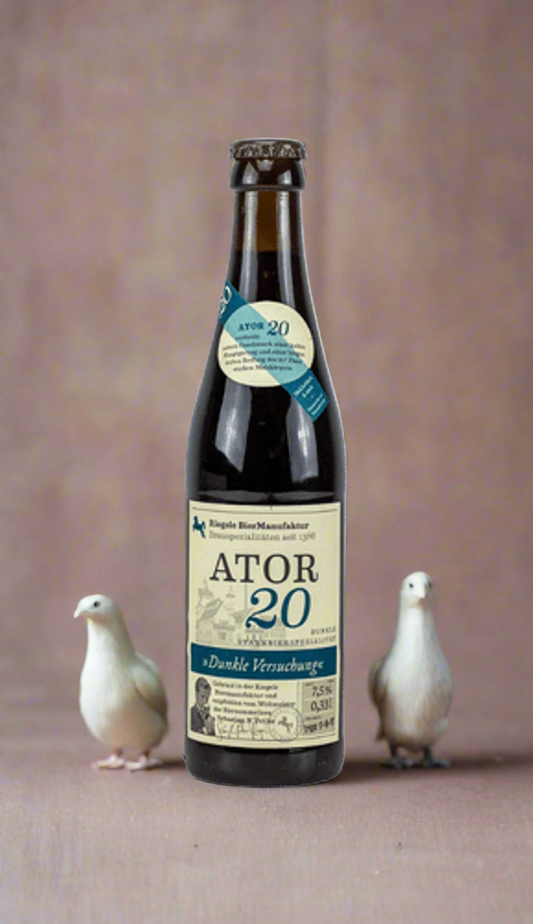
Dunkler Bock (Dark Bock) – The traditional dark version of bock, featuring deep brown colour and rich malt complexity. Dunkler Bock displays notes of toasted bread, chocolate, caramel, and dried fruit, with smooth, warming alcohol and clean lager character. The style balances substantial malt sweetness with enough hop bitterness to maintain drinkability.
Hefeweizen – Bavaria's signature wheat beer, Hefeweizen is brewed with at least 50% malted wheat alongside barley malt. The style is defined by distinctive yeast character producing banana and clove aromatics, along with cloudy appearance from suspended yeast and wheat proteins.
Hefeweizen displays pale golden to amber colour with substantial, long-lasting white head. The flavour balances fruity esters (banana, apple) with spicy phenolics (clove, vanilla), supported by soft wheat malt character and low hop bitterness. Highly carbonated and refreshing, Hefeweizen is traditionally served in tall, curved vase-shaped glasses.
Climate & Brewing Conditions
Germany's temperate continental climate profoundly influenced traditional brewing practices:
-
Cold winters – Enabled traditional lager fermentation and storage in cool cellars and ice houses
-
Seasonal brewing – Cool-weather brewing (September-April) prevented spoilage before refrigeration
-
Pure water sources – Alpine springs and limestone-filtered water providing ideal brewing water
-
Local ingredients – Bavarian barley, Hallertau hops, and proprietary yeast strains creating regional character
-
Natural lagering – Cool caves and cellars allowing extended cold conditioning
The development of lager brewing—cold fermentation with bottom-fermenting yeast—was made possible by Germany's climate and the availability of natural cold storage. This innovation revolutionised brewing worldwide.
The Reinheitsgebot Legacy
The German Beer Purity Law established brewing standards that continue to influence German beer today. Whilst modern interpretations allow wheat and other ingredients for specific styles, the law's emphasis on quality ingredients and traditional methods remains central to German brewing identity. This commitment ensures that German-style beers maintain their characteristic purity, clarity, and clean flavour profiles.
Brewing Techniques
German brewing emphasises precision and patience:
-
Decoction mashing – Traditional multi-step mashing process enhancing malt character and colour
-
Extended lagering – Weeks or months of cold conditioning creating smooth, refined character
-
Noble hops – Delicate European hop varieties providing subtle, refined bitterness and aromatics
-
Proprietary yeast – Centuries-old yeast strains maintained by individual breweries
-
Natural carbonation – Traditional bottle or cask conditioning creating fine, persistent bubbles
Renowned Breweries
Weihenstephaner – The world's oldest continuously operating brewery, established in 1040 at the Weihenstephan Abbey near Munich. Weihenstephaner represents the pinnacle of Bavarian brewing tradition, producing benchmark examples of classic German styles with uncompromising quality.
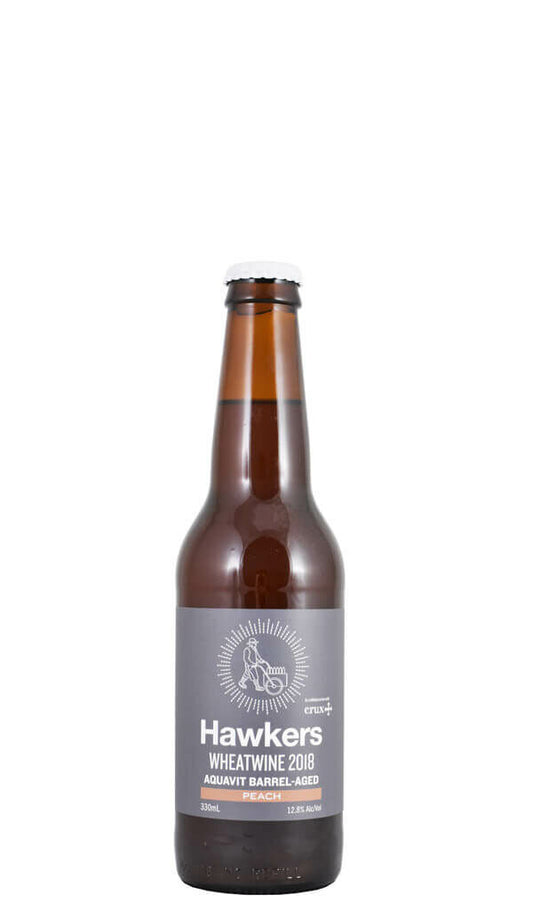
Contemporary Interpretations – Modern breweries worldwide honour German brewing traditions whilst adding innovative twists. Barrel-aged interpretations, fruit additions, and creative variations demonstrate the enduring influence and versatility of German beer styles.
Serving & Pairing
German beers are best served at cellar temperature (7-10°C for lagers, 10-13°C for stronger styles) in appropriate glassware—tall glasses for wheat beers, tulips for bocks, and straight-sided glasses for pilsners. The proper glassware showcases the beer's colour, clarity, and head retention.
Pilsners pair excellently with seafood, salads, and light fare. Bocks complement roasted meats, sausages, and hearty stews. Weizenbock matches well with rich desserts and strong cheeses. Hefeweizen is perfect with Bavarian pretzels, weisswurst, and fruit-based dishes.
Explore our German beer styles collection and discover these time-honoured, expertly crafted beers at great value prices.